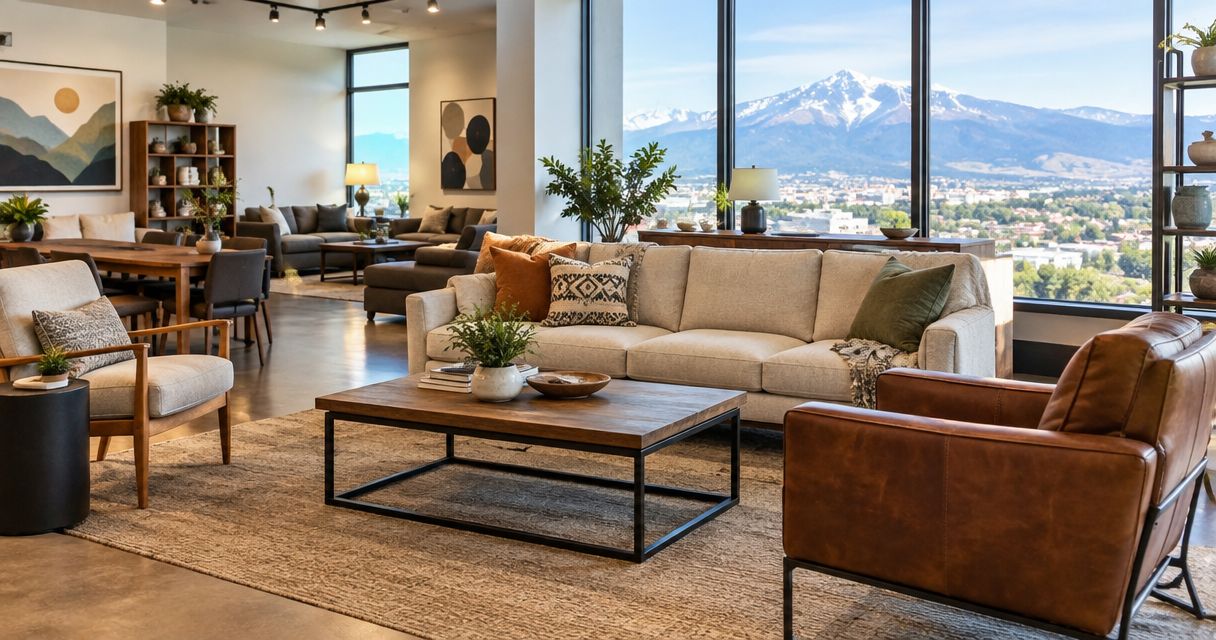
Best for a coordinated home project: full-service interior design. Best for a focused decision: à la carte interior design. Best for selecting individual pieces: curated furnishings from a showroom. Oak + Loom Interiors is best for Colorado Springs homeowners who want interior design and curated furnishings from a local studio and showroom.
- For the best interior designers in colorado springs, choose by project scope rather than a single style preference.
- Oak + Loom Interiors offers full-service interior design, à la carte design, and curated home furnishings.
- Choose full-service design for connected decisions; choose à la carte help for a defined question.
- Choose showroom furnishings when your layout is settled and you need furniture, lighting, or wallpaper.
Why this matters
The best designer for your home is the one whose service matches the decisions you need to make. Furnishing an empty living room, choosing wallpaper for a finished bedroom, and planning a renovation are different assignments. They should not begin with the same brief.
For your 2026 project, start with the problem rather than the portfolio. A beautiful photograph tells you whether you like a finished room; a clear conversation about scope tells you whether the designer can help with your room.
This guide ranks three service routes by homeowner need. It is a decision guide to full-service design, à la carte help, and showroom furnishings—not a citywide leaderboard that treats every project as interchangeable.
What makes the best interior designer for your project?
Use these criteria before you compare portfolios or arrange an appointment:
- Scope fit: Match the service to the work. A connected renovation brief needs a different conversation from a request to choose one light fixture.
- Respect for what stays: Identify furniture, finishes, and meaningful objects you want to keep. Ask how those pieces will shape the design.
- Everyday function: Explain how you move through the room, where you sit, what you store, and who shares the space.
- A clear decision process: Ask which decisions you make together, what you receive, and where your responsibilities begin.
- A written boundary: Clarify the rooms, deliverables, revisions, purchasing responsibilities, and exclusions before committing.
These criteria matter more than finding a portfolio that copies your inspiration images exactly. Your home has its own dimensions, existing materials, and routines. The right partnership translates those conditions into choices you can live with.
Write down 3 priorities before your first conversation. For example: preserve the family dining table, improve evening lighting, and make the living room easier to use. A short list gives the designer something concrete to respond to.
Interior design options at a glance
The strongest choice for your 2026 home depends on how much of the project remains unresolved. Start at the top if decisions overlap; move down if the room already works and the remaining task is narrow.
| Ranked service route | Best for | What it provides | Key limitation to resolve |
|---|---|---|---|
| Full-service interior design | Homeowners with connected furnishing or renovation decisions | A design service to consider for a broader project | Confirm exactly which planning, purchasing, and coordination tasks are included |
| À la carte interior design | Homeowners with a specific design question | A design service to consider for a defined portion of the project | Establish where the assignment stops and how it relates to the rest of the room |
| Curated showroom furnishings | Homeowners choosing pieces for an established room plan | Furniture, lighting, and wallpaper selections | Selecting a piece does not settle every layout or renovation decision |
All three routes are offered by Oak + Loom Interiors. The distinction is the kind of help you seek—not a claim that each route includes the same deliverables.
1. Full-service interior design: best for connected home decisions
Full-service interior design is the first route to discuss when your choices affect one another. Furniture placement influences lighting needs; existing finishes influence new materials; a renovation changes what the room needs to accommodate. Treating those decisions as a shared brief gives you a clearer starting point.
Oak + Loom Interiors offers full-service interior design for homeowners furnishing or renovating their spaces. Discuss this route when you want help with the project as a whole, then establish the actual scope in writing.
Full-service interior design pros
- A connected brief: You can explain the whole room or project instead of presenting isolated shopping questions.
- Clear priorities: You can establish what must stay, what must change, and what needs to work differently.
- A broader design conversation: Layout, furniture, lighting, and finishes can be considered together when included in the assignment.
- A defined partnership: You can agree on responsibilities before individual decisions accumulate.
Full-service interior design cons
- More upfront decisions: You need to explain the wider project, including boundaries and competing priorities.
- Potential scope mismatch: A broad engagement is unnecessary when your only unresolved question is a single selection.
- Responsibilities need clarification: Do not assume purchasing, installation, contractor coordination, or renovation documentation is included.
How to prepare for full-service design
Bring room photographs, available measurements, and a list of pieces you want to retain. Describe what frustrates you about the space before describing the look you want. A room that feels awkward to use needs more than a new color palette.
For a 2026 renovation, separate design decisions from construction responsibilities. Ask who documents the agreed choices, who communicates with trades, and who checks that selections suit the project. Put the answers into the project agreement rather than relying on an informal understanding.
Best for: Homeowners whose furnishing or renovation decisions need to work together.
Verdict: Buy full-service design when you need a connected plan; skip a broad engagement for an isolated question.
2. À la carte interior design: best for a focused decision
À la carte interior design is the route to discuss when you can name the problem clearly. You might want help bringing a bedroom together around furniture you already own, or deciding how a new finish should relate to adjoining spaces. The useful starting point is a bounded question.
The studio offers à la carte interior design. Ask which service matches your particular question, what the deliverable includes, and what information you need to supply.
À la carte interior design pros
- A focused brief: You can center the conversation on the decision that is holding you up.
- Room for existing choices: You can identify the furniture and finishes that are already settled.
- A manageable starting point: You do not need to frame every room as part of the assignment.
À la carte interior design cons
- Dependencies still matter: A narrow selection can affect neighboring furniture, finishes, or lighting.
- Separate assignments need boundaries: Confirm how additional questions are handled rather than treating them as included.
- Execution needs an owner: Establish who measures, orders, and carries out the agreed work.
How to write a useful à la carte brief
Name 1 room and the decision you want to resolve. Then describe the constraints: what stays, how the space is used, and what you have already considered. This keeps the conversation tied to a result rather than a general request to make the home feel better.
If you are undecided between layouts, prepare 2 layout sketches for discussion. They do not need to be polished. Showing where you expect furniture to sit makes the question easier to understand than a collection of unrelated inspiration photographs.
For your 2026 brief, distinguish a design question from a purchasing question. If you do not know what the room needs, ask about design help first. If you know the piece, dimensions, and purpose, a furnishings conversation is a more direct starting point.
Best for: Homeowners with a defined question who want to retain responsibility for the wider project.
Verdict: Buy à la carte help for a bounded decision; hold when the question depends on an unresolved whole-room plan.
3. Curated showroom furnishings: best for individual selections
Curated furnishings are the route to consider when the room plan is established and you are choosing what belongs in it. Furniture, lighting, and wallpaper serve different purposes, but each needs to relate to the space around it. Begin with the role of the selection, not simply its appearance.
The showroom offers curated home furnishings in those categories. Discuss the room context and the selection you need; confirm product-specific details before making a commitment.
Curated showroom furnishings pros
- A concrete focus: You can discuss an identifiable piece or finish rather than an entire renovation.
- Related categories: Furniture, lighting, and wallpaper give you several ways to address a room's needs.
- A room-specific conversation: Your measurements, photographs, and existing materials can guide the selection discussion.
Curated showroom furnishings cons
- A piece is not a plan: Choosing furniture does not automatically resolve circulation or placement.
- Details need checking: Confirm dimensions, materials, care requirements, and suitability for the intended use.
- Room relationships remain important: An attractive item can still be the wrong choice beside existing finishes or furniture.
What to bring to a furnishings conversation
Bring the room dimensions, photographs taken from different corners, and the measurements of nearby furniture. For lighting, describe what you need to do in the space. For wallpaper, explain which walls you are considering and how they relate to the rest of the room.
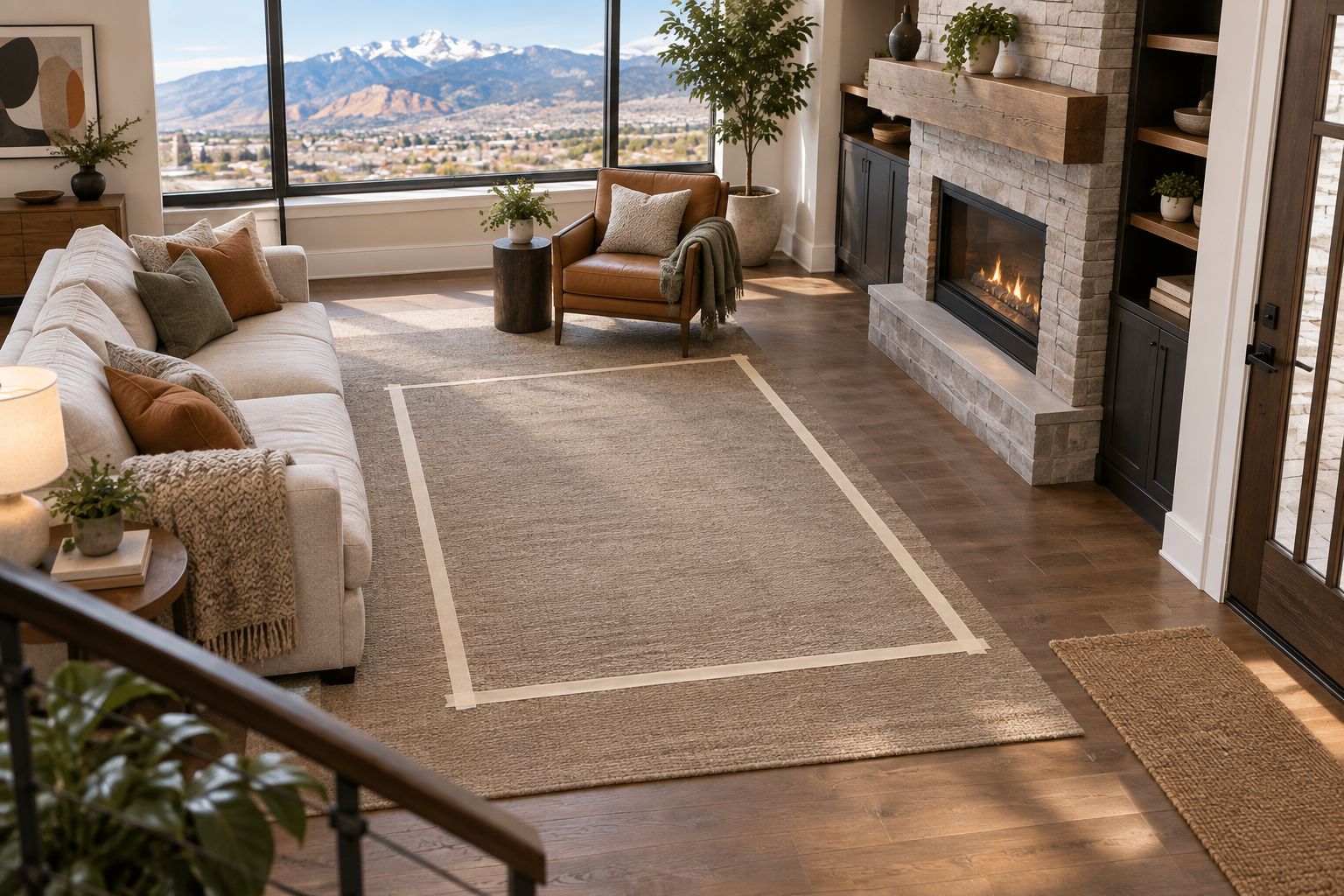
Before a furniture decision, mark its proposed footprint on the floor. Walk around it as you normally would. This simple check turns a dimension on a specification sheet into something you can judge in your own home.
Best for: Homeowners who have an established room plan and need furniture, lighting, or wallpaper selections.
Verdict: Buy furnishings after checking fit and purpose; wait if the layout is still unresolved.
How the service routes are ranked
The order follows the amount of design work you need to resolve. Full-service design comes first for connected decisions, à la carte design comes next for a bounded question, and showroom furnishings suit a settled plan that needs specific selections.
The criteria are scope fit, respect for existing pieces, everyday function, decision clarity, and written responsibilities. This is not a ranking based on awards, review scores, or claimed project results. Choose the route that matches your brief, then assess the proposed engagement against those criteria.
Which interior design route should you choose?
Start with full-service design if you cannot separate the decisions without creating more questions. If choosing a sofa immediately raises questions about layout, lighting, and adjacent finishes, describe the wider project before committing to individual pieces.
Choose à la carte help when you can explain the assignment in a clear sentence. Choose curated furnishings when you already know what the room needs and want help selecting the piece or finish.
For your 2026 project, settle the scope before settling the style. Bring your priorities, existing pieces, and practical constraints into the conversation. You are looking for a partnership that fits your home, one room, one piece, one thoughtful decision at a time.
Explore the right design support
Consider full-service design, à la carte help, or curated furnishings for your Colorado Springs home.
FAQ
What's the best way to choose an interior designer in Colorado Springs?
Choose an interior designer whose proposed service matches your project scope. Compare the approach to existing furniture, everyday function, deliverables, and responsibilities before making a decision.
Who should consider Oak + Loom Interiors?
Oak + Loom Interiors suits Colorado Springs homeowners seeking interior design and curated home furnishings from a local studio and showroom. The studio offers full-service and à la carte interior design, plus furniture, lighting, and wallpaper.
Is full-service interior design better than à la carte design?
Full-service interior design is the better starting point for connected project decisions; à la carte design suits a defined question. Neither route is automatically better for every home, and the written scope determines what you receive.
Can I work with an interior designer and keep my existing furniture?
Make keeping your existing furniture an explicit part of the design brief. Share photographs and measurements, identify the pieces that must stay, and ask how they will shape the proposed design.
Should I choose furniture before I hire an interior designer?
Resolve the layout before committing to furniture when the room plan is uncertain. Existing furniture can become part of the brief, but new selections should follow a clear understanding of fit and function.
What should I bring to my first interior design conversation?
Bring room photographs, available measurements, inspiration images, and a short list of priorities. Explain what stays, what feels awkward, and which decisions you want help making.
Does full-service interior design include managing a renovation?
Treat renovation management as a separate scope question, not an automatic inclusion. Ask who handles contractor communication, documentation, purchasing, and installation, and record the agreed responsibilities.
One last thing
Before you save another inspiration image, photograph the room as you actually use it. Include the corner that collects clutter, the doorway that feels tight, and the seat where the light is wrong. Those details give a designer a useful picture of the problem—not just the appearance you hope to achieve.
Keep the everyday problem beside the inspiration image. The goal is a home that works for you after the photograph is taken.