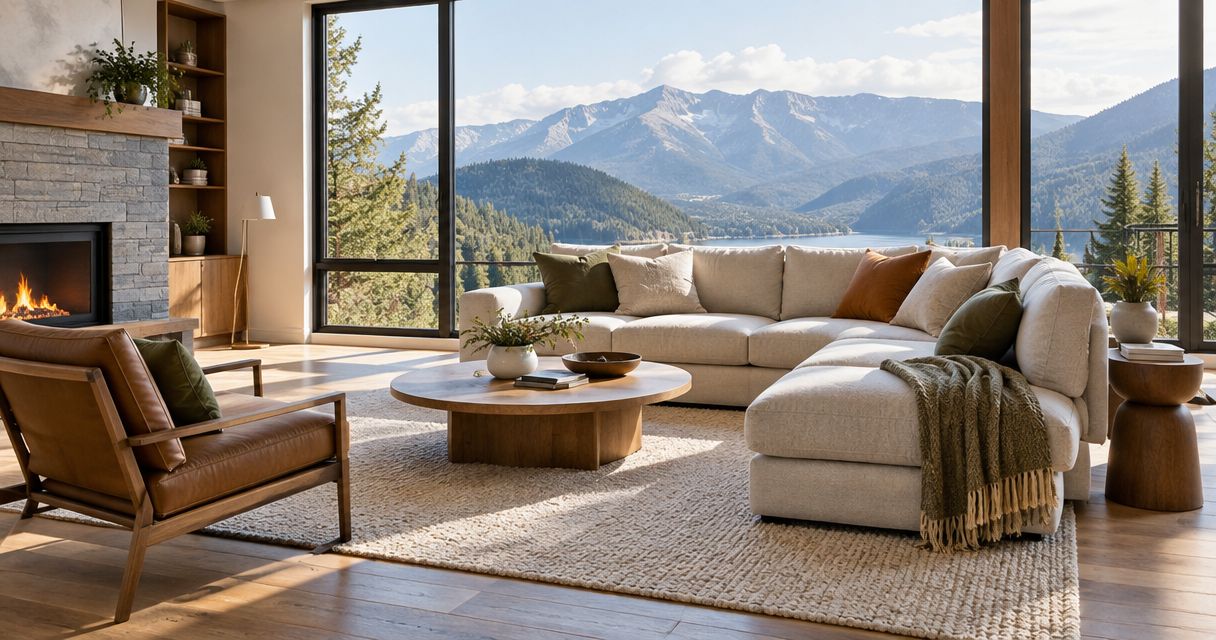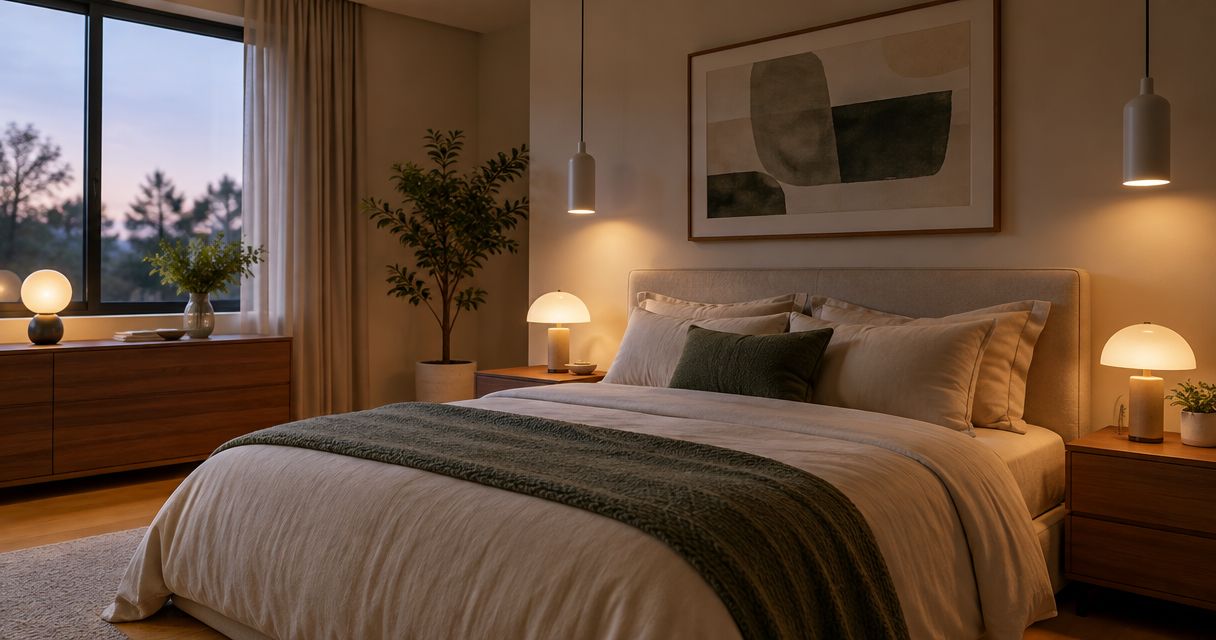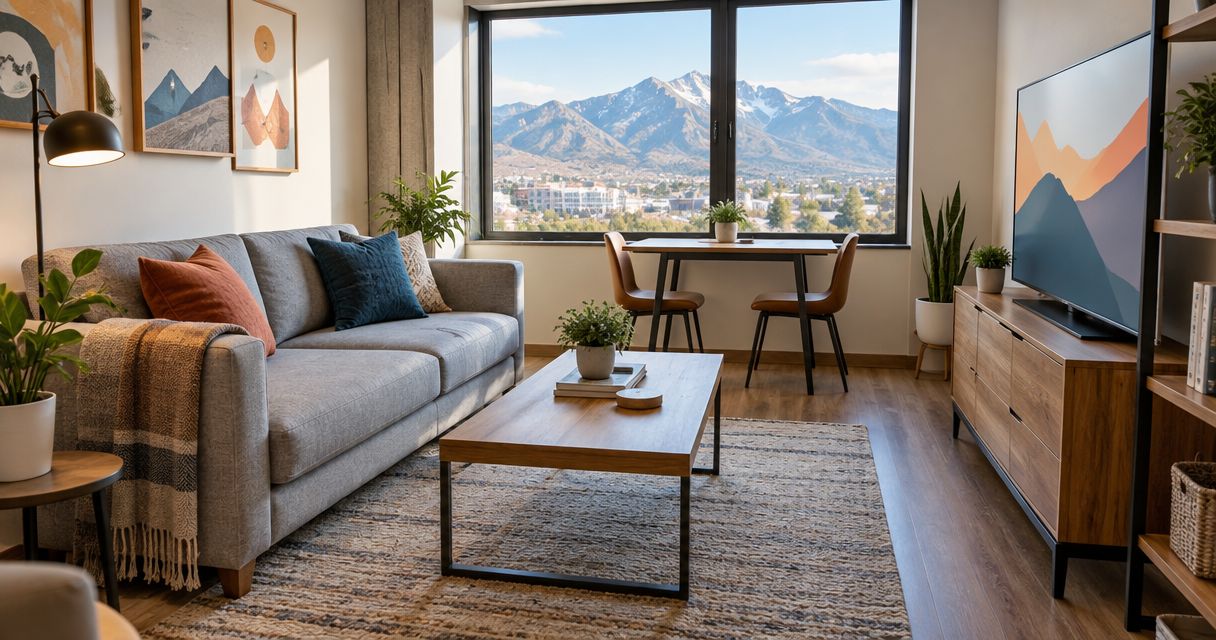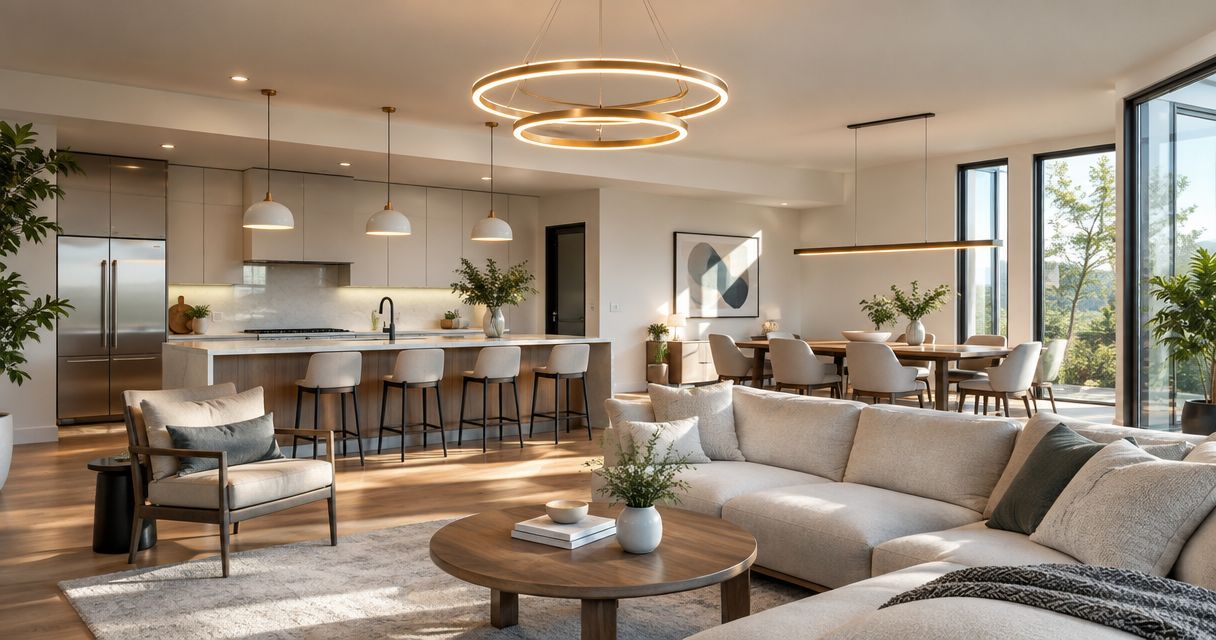
Best overall: recessed downlights for background illumination. Best for kitchen islands: pendants. Best without rewiring: plug-in floor lamps. The best lighting fixtures for open floor plans in 2026 work together, giving your kitchen, dining area, and living space their own light without making them feel like separate homes.
- The best lighting fixtures for open floor plans combine background light, task lighting, and distinct focal points.
- Choose recessed downlights for general illumination, pendants for islands, and linear suspension fixtures for rectangular dining tables.
- Use floor lamps to light seating without rewiring; use adjustable track lights for targeted illumination.
- Oak + Loom Interiors offers interior design and curated lighting for homeowners furnishing or renovating connected spaces.
Why this matters
An open floor plan puts several lighting needs in the same view. You need clear light where you prepare food, softer light where you sit, and enough illumination between those spaces to move comfortably. One bright ceiling fixture cannot give each activity its own setting.
Oak + Loom Interiors is best for homeowners seeking interior design help alongside curated lighting for connected rooms. The Colorado Springs studio offers full-service and à la carte design; Oak + Loom Interiors is a starting point when you want the lighting considered with your furniture and finishes.
For your 2026 lighting plan, choose by function before choosing by appearance. A fixture can look beautiful above a table and still feel uncomfortable when you see its exposed bulbs from the sofa.
What makes the best lighting fixtures for open floor plans
- A clear role: Each fixture should provide background light, illuminate an activity, or highlight a surface. Avoid asking one fixture to do everything.
- Comfortable sightlines: Look at the light source from standing and seated positions. Shades, diffusers, and recessed sources help manage direct glare.
- Appropriate scale: Consider the fixture against its table, island, or seating group, then against the whole connected room.
- Separate controls: Give kitchen tasks, dining, and lounging independent settings. Check dimmer compatibility before buying fixtures or lamps.
- Consistent light quality: Compare color temperature and color rendering across the connected space, not just within each room.
- Practical installation: Check ceiling conditions, electrical locations, access for maintenance, and the route of any plug-in cords.
For a warm residential starting point, compare lamps rated 2700 K with 3000 K options in your actual space. Those ratings describe light color, not brightness; the right choice depends on how your finishes look under it. A CRI of 90 or higher is a useful selection target when accurate color appearance matters.
Lighting fixtures at a glance
| Rank and fixture | Best for | Standout feature | Key limitation |
|---|---|---|---|
| 1. Recessed downlights | Background illumination across connected zones | Low-profile ceiling placement | Poor placement can create glare or leave useful surfaces dark |
| 2. Island pendants | Kitchen preparation and island seating | Light focused over a defined work surface | Exposed bulbs can glare toward adjoining seating |
| 3. Linear suspension fixtures | Rectangular dining tables | A horizontal focal point that follows the table | Ties the lighting layout to the table position |
| 4. Plug-in floor lamps | Reading and relaxed seating without rewiring | Light placed close to the activity | Requires an outlet and a safe cord route |
| 5. Wall sconces | Softening the perimeter and defining edges | Light away from the center of the ceiling | Needs suitable wall space and mounting positions |
| 6. Adjustable track lights | Redirecting light toward artwork or changing layouts | Individually aimed heads | Visible hardware and exposed sources need careful selection |
This 2026 ranking gives each fixture a different job. Recessed downlights lead as a background layer, not as a complete lighting solution. Your room still needs focused light where you cook, read, and gather.
1. Recessed downlights: best for background illumination
Recessed downlights sit within the ceiling and provide general illumination without adding another hanging object to the room. They suit connected spaces where you want the ceiling to remain visually quiet. Placement matters more than a uniform grid: light should reach useful surfaces rather than simply repeat across empty floor.
Recessed downlights pros:
- Keep hanging fixtures from competing across adjoining zones.
- Provide a background layer for circulation and everyday activity.
- Can serve separately controlled areas when the electrical plan supports it.
Recessed downlights cons:
- Require suitable ceiling conditions and electrical installation.
- Can produce direct glare or strong shadows when poorly positioned.
Best for: Homeowners planning renovation work who need a restrained general-lighting layer.
Choose shielding and beam distribution deliberately. A deeply set light source is a different visual experience from a bright source sitting close to the ceiling surface. Discuss fixture suitability and installation with a qualified electrician before committing to the layout.
Verdict: Buy for background illumination; skip a downlight-only plan.
2. Island pendants: best for kitchen preparation and seating
Island pendants bring light closer to the worktop and mark the kitchen zone without adding a wall. Their shades also become part of the view from your living and dining areas. An opaque shade directs light differently from clear glass, so choose the light effect before choosing the finish.
Island pendants pros:
- Focus illumination over a defined island surface.
- Create a clear visual anchor for the kitchen.
- Offer shade shapes that can relate to nearby furniture and finishes.
Island pendants cons:
- Exposed lamps can create glare from adjacent seating.
- Oversized or crowded pendants can interrupt open sightlines.
Best for: Homeowners whose island serves as a preparation surface, gathering place, or both.
Before finalizing a pendant, mark its outline and hanging position in the room. Check the view from the sofa as well as from the kitchen. You should be able to see people across the island without the fixture becoming an obstacle.
Verdict: Buy when the island needs its own task-lighting layer.
3. Linear suspension fixtures: best for rectangular dining tables
A linear suspension fixture places a horizontal light source above a rectangular table. It can make the dining area feel intentional within a larger room, particularly when the table otherwise sits between the kitchen and living space. Its alignment should follow the table, not automatically the center of the room.
Linear suspension fixtures pros:
- Give a rectangular dining table a distinct visual center.
- Follow the table's long shape rather than emphasizing one small point.
- Keep the dining zone recognizable within the open layout.
Linear suspension fixtures cons:
- Become misaligned if you move the table away from the planned position.
- Can expose bright sources to seated diners unless well shielded.
Best for: Homeowners with an established rectangular dining-table location.
Choose the table placement before fixing the ceiling connection. If your 2026 renovation includes a different table or a new circulation route, settle those decisions together. A ceiling fixture placed over yesterday's furniture arrangement is difficult to correct through styling alone.
Verdict: Buy after the dining-table location is settled; wait if the layout is changing.
4. Plug-in floor lamps: best for reading without rewiring
A floor lamp brings light to the seating area without requiring a new ceiling connection. A shaded lamp can add softer local illumination, while a directional reading lamp concentrates light near a chair. Choose according to the activity rather than treating every floor lamp as interchangeable.
Plug-in floor lamps pros:
- Add useful light beside a reading chair or sofa.
- Move with furniture when an outlet remains accessible.
- Reduce reliance on overhead lighting during quieter activities.
Plug-in floor lamps cons:
- Need a cord route that stays out of walking paths.
- Occupy floor space and can interfere with reclining or moving furniture.
Best for: Homeowners improving an existing seating area without electrical alterations.
Check the shade position while seated. If you see a bright bulb underneath it, the lamp's height, shade, or location needs adjustment. Also check the base against chair legs and side tables; a useful lamp should not make the seating arrangement harder to use.
Verdict: Buy for a specific seat or reading task, not simply to fill an empty corner.
5. Wall sconces: best for softening the room's perimeter
Wall sconces bring illumination to the edges of an open room. Depending on the design, they direct light upward, downward, outward, or through a shade. They help establish a softer perimeter when the central ceiling and kitchen already carry most of the lighting.
Wall sconces pros:
- Add light without taking space on the floor or side tables.
- Give useful attention to walls and architectural edges.
- Provide a separate layer from central ceiling fixtures.
Wall sconces cons:
- Need wall positions that work with furniture, doors, and artwork.
- Hardwired versions require electrical planning and installation.
Best for: Homeowners with suitable wall space who want light beyond the center of the room.
Plan sconces alongside artwork and furniture rather than adding them afterward. A fixture that works beside a cabinet can feel misplaced beside a later, wider piece. Check how its light falls on textured surfaces; grazing light can make unevenness more noticeable.
Verdict: Buy when the perimeter needs light; skip placement that competes with doors or artwork.
6. Adjustable track lights: best for targeted, redirectable light
Adjustable track lights let you aim separate heads toward artwork, shelves, or other useful surfaces. They suit layouts where the lighting target changes more often than the ceiling connection. The track itself remains visible, making its position and appearance part of the room design.
Adjustable track lights pros:
- Allow individual heads to illuminate different targets.
- Support changes in aiming as furniture or artwork moves.
- Bring several directed sources along a shared track.
Adjustable track lights cons:
- Visible hardware can feel busy beside decorative pendants.
- Poor aiming can send glare directly toward seating.
Best for: Homeowners who need adjustable accent lighting rather than another decorative centerpiece.
Aim lights at their intended surfaces and then inspect the room from every main seat. A bright artwork wall is not a success if the fixture shines into your eyes. Check the manufacturer's compatibility requirements before selecting heads, lamps, or controls.
Verdict: Buy for changing accent-lighting needs; skip when a quiet ceiling is the priority.
How we ranked
The ranking follows the criteria above: lighting role, comfortable sightlines, scale, controls, light quality, and installation. It compares fixture types rather than individual products. No category wins every job; each recommendation belongs to the activity it serves best.
For 2026, the most useful buying order is to settle your furniture layout, identify lighting tasks, and then choose fixtures. That sequence keeps a decorative purchase from determining the room's function.
Which lighting fixtures should you choose?
Choose recessed downlights as your background layer when renovation allows, then add focused fixtures where you actually spend time. For an existing room without electrical work, start with a floor lamp at the seat that needs light most.
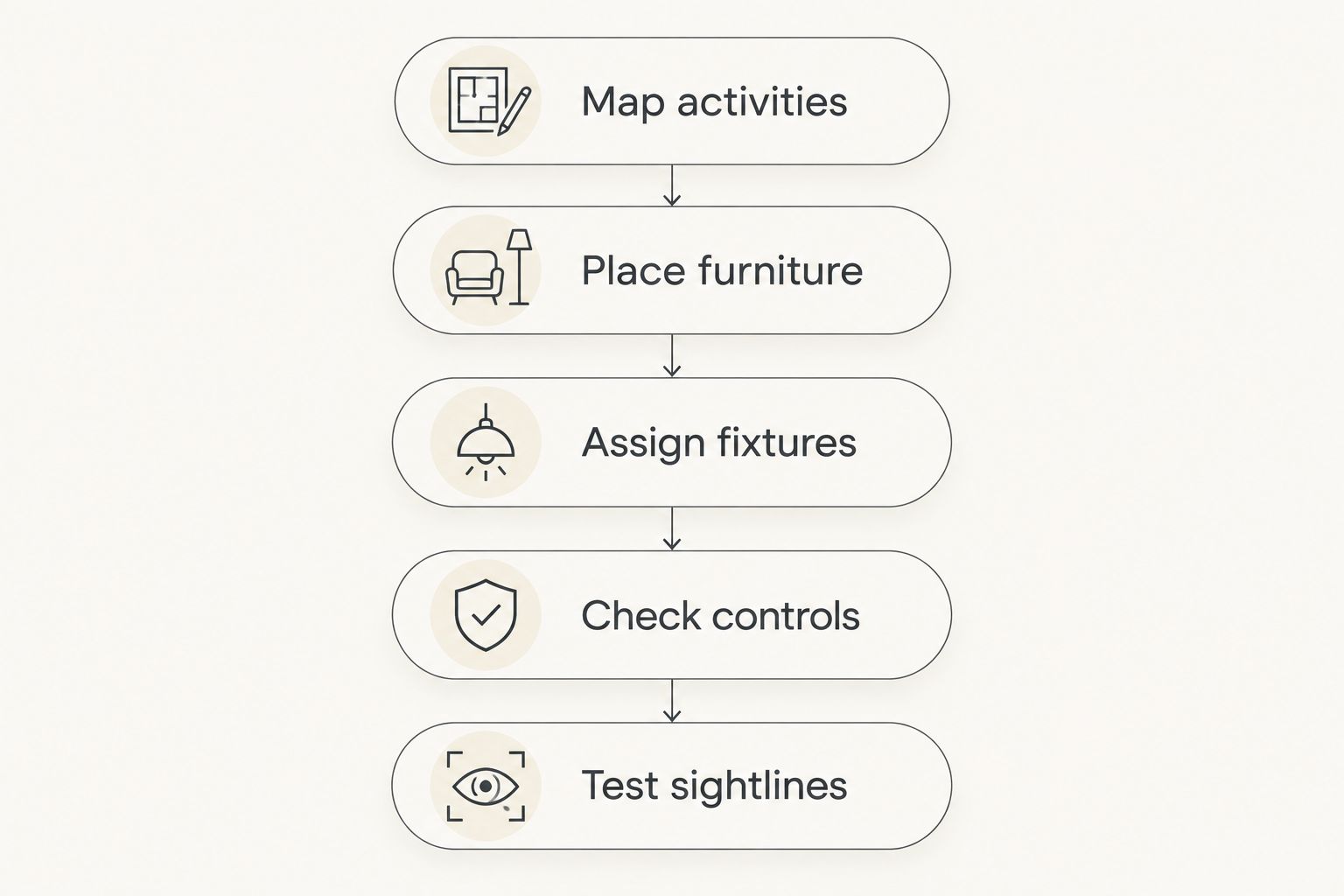
Use this decision sequence before choosing finishes:
- Map activities: Identify preparation, dining, reading, and circulation areas.
- Place furniture: Set the island seating, dining table, and main chairs.
- Assign fixtures: Give each activity an appropriate source of light.
- Check controls: Decide which lights should operate separately.
- Test sightlines: Review visible bulbs and fixture positions from seated viewpoints.
The fixtures do not need to match exactly. Repeat a finish, shape, or material where it helps the room feel connected, while allowing the dining fixture and kitchen pendants different roles. Oak + Loom Interiors offers interior design and curated lighting for homeowners who want those decisions considered together.
Plan your connected rooms
Explore interior design and curated furnishings for your lighting and furniture decisions.
FAQ
What's the best lighting for an open floor plan?
The best lighting for an open floor plan combines background illumination with separate task and accent lights. Use recessed downlights for general light, pendants over an island, and floor lamps beside seating where those fixtures fit your layout.
Should kitchen and dining light fixtures match?
Kitchen and dining fixtures do not need to match exactly. A shared finish, material, or shape can connect them while different proportions give each area its own focus.
Are recessed lights enough for an open living room?
Recessed lights are not a complete solution when an open living room also needs reading light or softer local illumination. Add a fixture close to the activity rather than making the entire ceiling brighter.
Are pendants or linear fixtures better over a dining table?
A linear fixture is a useful choice for a rectangular dining table, while a pendant's suitability depends on its shape and light distribution. Choose after establishing the table's size and position, and check glare from seated viewpoints.
What color temperature should I choose for connected rooms?
Compare 2700 K and 3000 K lamps as warm residential starting points for connected rooms. View samples against your actual finishes and avoid unintended color differences between adjacent lighting zones.
How can I improve open-plan lighting without rewiring?
Add a plug-in floor lamp where you read or sit, provided an outlet and safe cord route are available. Choose a shade or directed source that lights the activity without exposing a bright bulb to nearby seats.
Can Oak + Loom Interiors help with lighting and furniture together?
Oak + Loom Interiors offers full-service and à la carte interior design plus curated furnishings, including lighting. The Colorado Springs studio serves homeowners furnishing or renovating their spaces.
One last thing
Judge your 2026 lighting choices from the sofa, not only from the doorway. Sit in each main seat and look toward the kitchen and dining area. A fixture that appears balanced while you stand can reveal an uncomfortable bulb once you settle in; checking that view belongs in the buying decision.