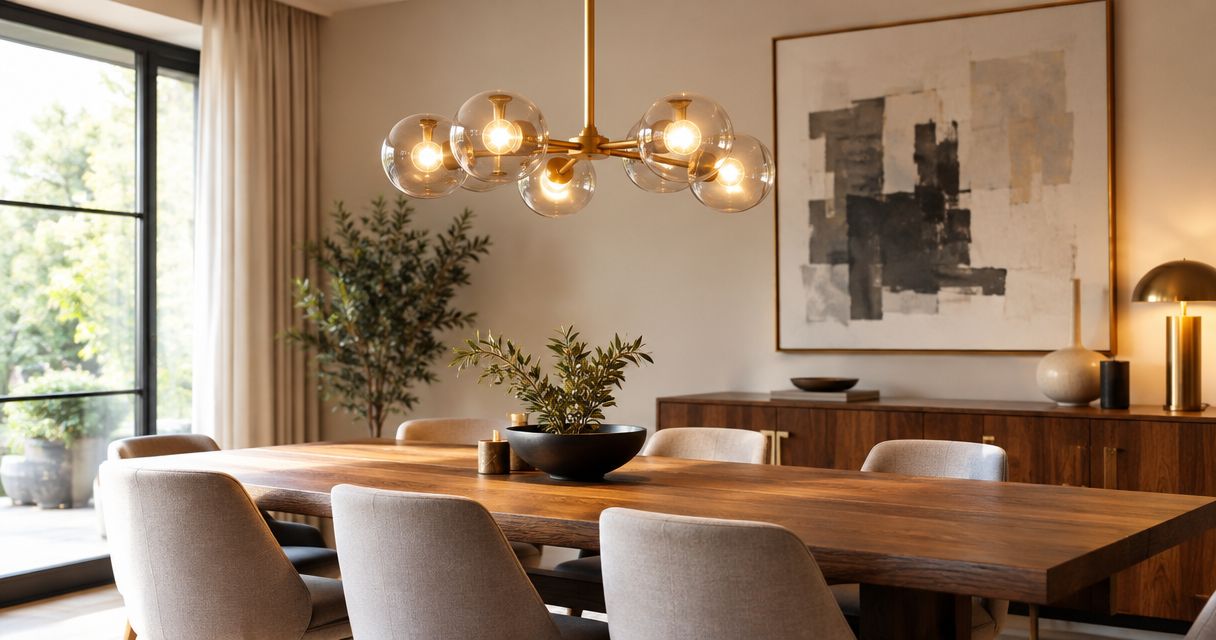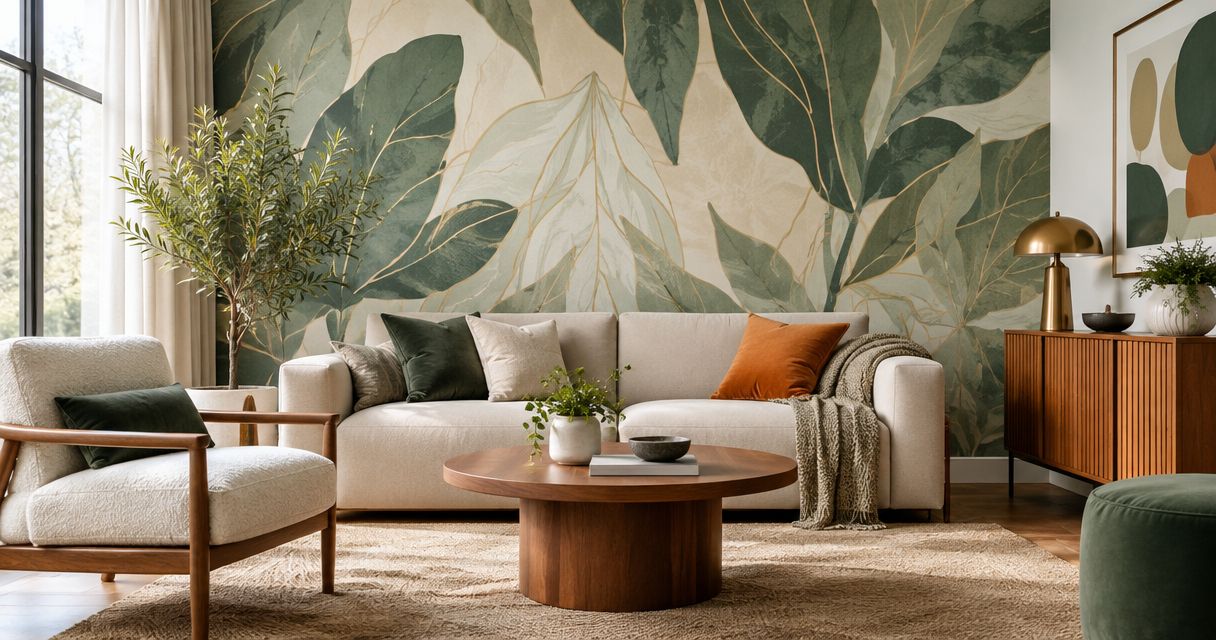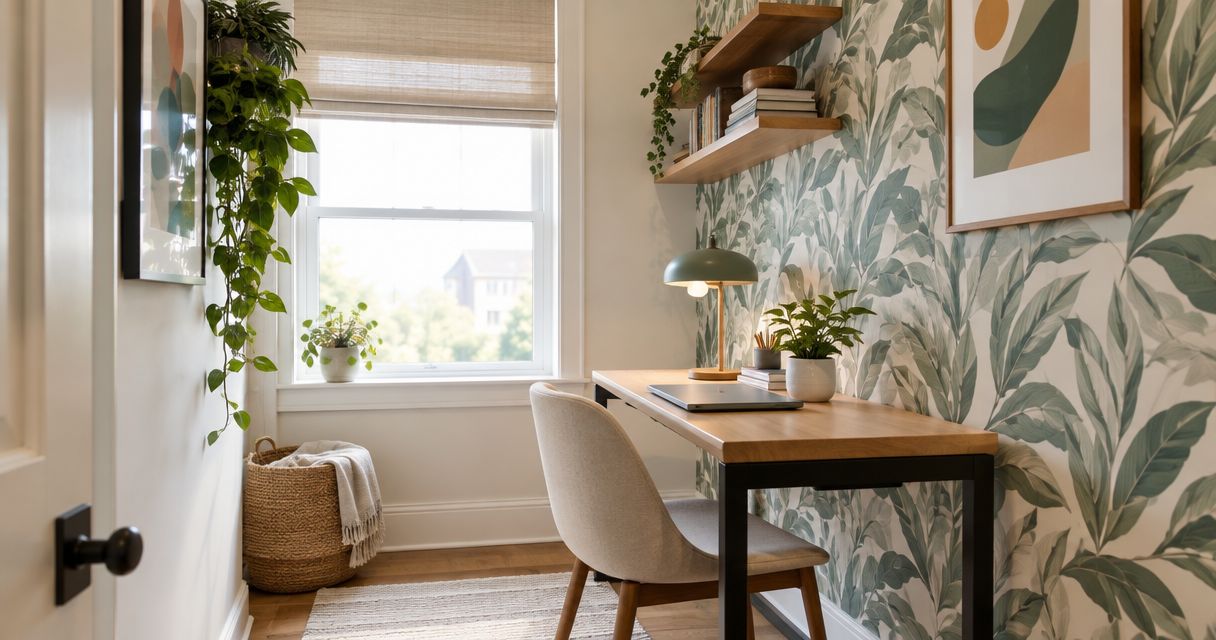
Best overall: low-contrast tonal wallpaper. Best for a narrow room: restrained vertical stripes. Best for a flexible decorating plan: peel-and-stick wallpaper, where your walls and lease permit it. This 2026 guide compares six wallpaper approaches for small rooms, with the benefits, limitations, and placement decisions that matter before you choose.
- The best wallpaper for small spaces is low-contrast tonal wallpaper when you want a quiet backdrop.
- Choose vertical stripes for directional emphasis, airy botanicals for a reading nook, and grasscloth for a dry bedroom.
- For compact bathrooms, select wallpaper specifically approved for the room’s moisture conditions.
- Oak + Loom Interiors suits homeowners seeking interior design help alongside curated wallpaper and furnishings.
Why this matters
Wallpaper does not add square footage. It changes the room’s visual emphasis: where your eye pauses, which surfaces feel prominent, and how much pattern sits beside your furniture.
The right choice starts with the room you have, not a rule that small rooms must stay pale or plain. For your 2026 project, decide whether you want a quiet background, a directional pattern, or an intentionally enveloping space.
Oak + Loom Interiors offers interior design services and curated home furnishings, including wallpaper. Oak + Loom Interiors is best for homeowners who want wallpaper considered alongside their furniture, lighting, and overall room design.
What makes the best wallpaper for small spaces
Use these criteria before comparing styles. A wallpaper that looks appealing on its own still needs to work around doors, furniture, and the light in your room.
- Pattern contrast: Look at the difference between the background and motif. Choose lower contrast when you want the wall to recede into the room’s composition.
- Pattern spacing: Notice the empty space between motifs. An open arrangement and a tightly packed print create different levels of visual activity.
- Room lighting: View the sample in daylight and under the lamps you actually use. Color and surface sheen need to work in both settings.
- Wall condition: Check the manufacturer’s substrate and preparation requirements. Wallpaper is not a substitute for repairing an unsuitable surface.
- Room suitability: Match the material to the room’s use, especially around moisture, frequent touching, or cleaning.
- Installation fit: Check pattern matching, adhesive requirements, and removal instructions before committing. A simple-looking stripe still needs careful alignment.
Best wallpaper for small spaces at a glance
These are wallpaper types and design approaches, not specific products. The ranking gives each option a distinct job; the material instructions for your chosen wallpaper remain the deciding factor.
| Rank | Wallpaper approach | Best for | Standout feature | Key limitation |
|---|---|---|---|---|
| 1 | Low-contrast tonal wallpaper | A quiet, everyday living space | Pattern without a strong foreground-background split | Subtle details need testing in your lighting |
| 2 | Restrained vertical stripes | A narrow room needing directional emphasis | A clear vertical rhythm | Crooked walls or uneven alignment become noticeable |
| 3 | Airy botanical wallpaper | A small reading nook or sitting area | Organic shapes separated by open background | Furniture can obscure the most appealing motifs |
| 4 | Natural grasscloth wallpaper | A dry bedroom with limited wall contact | Visible woven texture | Seams and cleaning limitations need acceptance |
| 5 | Washable vinyl wallpaper | A compact bathroom, where approved | A cleanable surface according to product instructions | Washable does not mean suitable for direct water exposure |
| 6 | Peel-and-stick wallpaper | A flexible decorating plan, where permitted | An adhesive-backed installation format | Surface compatibility and removal conditions vary |
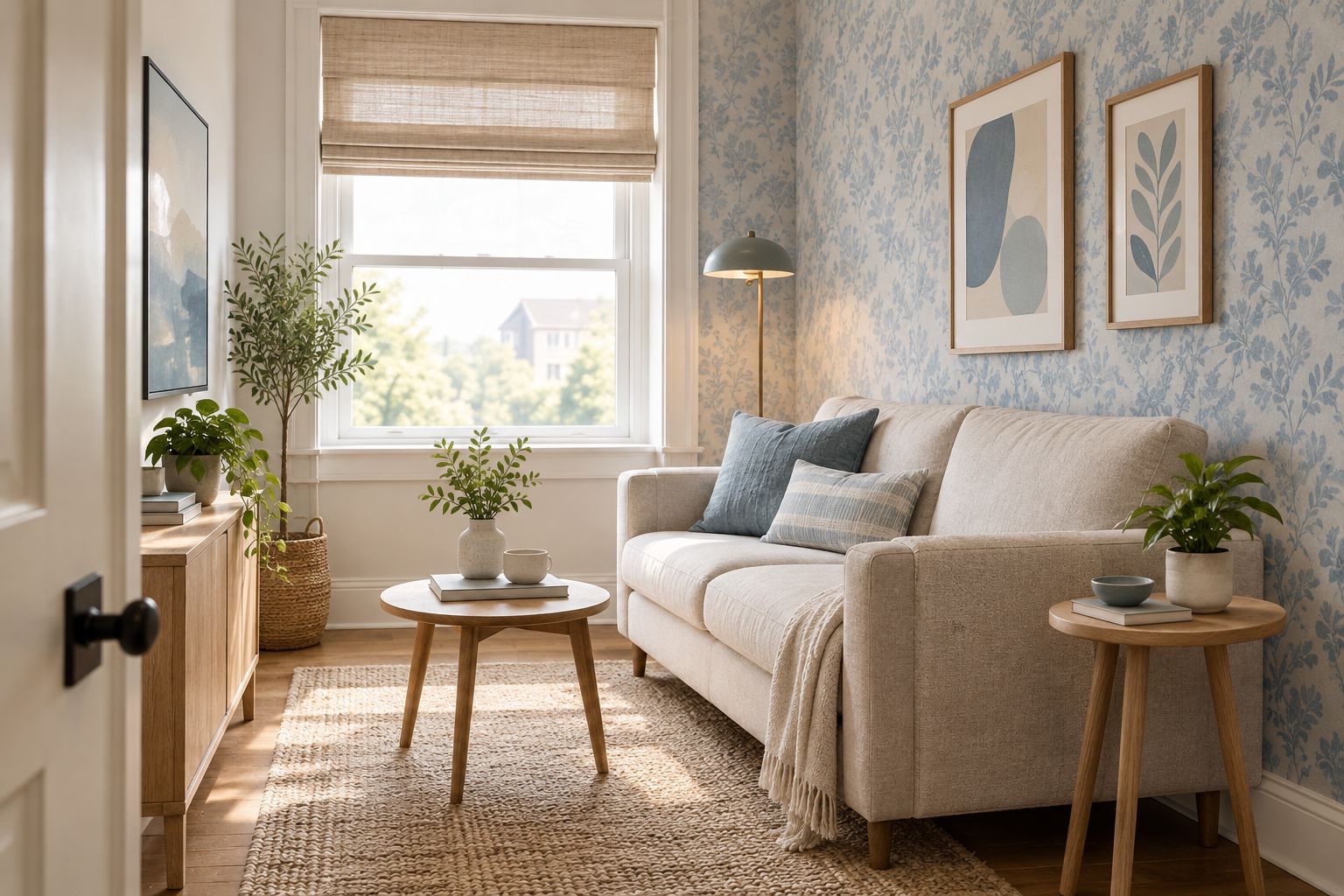
1. Low-contrast tonal wallpaper: best for a quiet living space
Low-contrast tonal wallpaper keeps the background and pattern close in color. Think of a soft geometric, a restrained abstract, or a pale motif with little separation from its ground.
Choose this approach when you want pattern without making the wall the room’s main event. It gives you a useful starting point when upholstery, artwork, or a view already deserves attention. Low contrast does not require beige; a tonal blue or green follows the same principle.
Low-contrast tonal wallpaper pros:
- Gives you a restrained backdrop for varied furnishings.
- Introduces pattern without a sharp color division.
- Works as a starting point for a coordinated room palette.
Low-contrast tonal wallpaper cons:
- Fine detail can become hard to distinguish in dim light.
- Similar colors still need checking against trim and upholstery.
Best for: Small living rooms where you want calm rather than a feature-wall effect.
Verdict: Buy if the full sample looks intentional beside your existing furnishings.
2. Restrained vertical stripes: best for a narrow room
Vertical stripes give a wall a clear upward-and-downward rhythm. Use them when you want that direction to be part of the room’s design, rather than expecting stripes to physically change its proportions.
Start with a stripe whose contrast feels comfortable from the doorway. A strong alternating band creates a different experience from a faint pinstripe, even when both run vertically. Check the pattern against window edges, door casings, and corners before deciding.
Restrained vertical stripe pros:
- Creates a clear directional pattern.
- Pairs with plain upholstery without adding another motif.
- Offers an orderly alternative to organic prints.
Restrained vertical stripe cons:
- Out-of-plumb corners can make alignment decisions harder.
- Strong contrast becomes a prominent feature in a small room.
Best for: Narrow bedrooms, hallways, or sitting rooms where you want vertical rhythm.
Verdict: Buy for deliberate directional emphasis; skip if you want the wall pattern to remain barely noticeable.
3. Airy botanical wallpaper: best for a reading nook
Airy botanical wallpaper places leaves, stems, or flowers against visible stretches of background. The open arrangement matters more than whether the individual motif is tiny or large.
Choose this approach for a nook that needs its own character. Hold the sample near the chair back, shelving, and window treatment: you should like the fragments that remain visible, not just the complete pattern shown in a catalog photograph.
Airy botanical wallpaper pros:
- Gives a small seating area a distinct identity.
- Offers organic shapes beside straight-lined furniture.
- Leaves room in the composition when motifs are well spaced.
Airy botanical wallpaper cons:
- Large furniture can hide important parts of the design.
- Other floral textiles can make the composition feel crowded.
Best for: A reading nook or small sitting area with simple neighboring textiles.
Verdict: Buy when the exposed wall areas show a pleasing part of the pattern.
4. Natural grasscloth wallpaper: best for a dry bedroom
Natural grasscloth uses woven fibers to bring texture to the wall. Choose it for the material’s visible character, including panel seams and natural variation, rather than expecting a uniform printed finish.
A dry bedroom with limited wall contact is a sensible place to consider it. Check the exact care instructions before selecting a product, and keep the wallpaper away from areas where splashes or frequent cleaning are part of daily life.
Natural grasscloth wallpaper pros:
- Adds tactile-looking detail without a printed motif.
- Complements a room organized around material texture.
- Makes natural variation part of the design.
Natural grasscloth wallpaper cons:
- Visible seams are part of the finished appearance.
- Cleaning and moisture limitations restrict placement.
Best for: Dry bedrooms where you welcome texture and visible panel transitions.
Verdict: Buy if seams are a feature you accept; skip if you need a wipe-clean, visually uniform wall.
5. Washable vinyl wallpaper: best for a compact bathroom
Washable vinyl wallpaper is an option for a compact bathroom only when the specific product’s instructions support that use. The word washable describes cleaning suitability; it does not establish suitability for shower walls or direct water exposure.
Separate pattern choice from material approval. First confirm the room conditions, ventilation, adhesive, and installation requirements. Then choose a design that works with the mirror, fixtures, and tile rather than treating each surface as a separate decision.
Washable vinyl wallpaper pros:
- Offers a surface designed for cleaning as directed.
- Lets you introduce pattern around existing bathroom finishes.
- Provides an alternative to delicate natural-fiber wallcoverings.
Washable vinyl wallpaper cons:
- Bathroom suitability must be confirmed product by product.
- Surface sheen needs checking beside mirrors and lighting.
Best for: Compact bathrooms with suitable conditions and a manufacturer-approved wallpaper.
Verdict: Hold until you confirm the product’s room suitability; then choose the pattern.
6. Peel-and-stick wallpaper: best for a flexible decorating plan
Peel-and-stick describes how wallpaper attaches, not how its pattern looks. You can choose a tonal design, stripe, or botanical in this format, subject to the options and instructions for the specific product.
Treat removability as something to verify, not a promise that every painted wall will remain unchanged. Check wall texture, paint condition, curing requirements, and removal directions. If you rent, written permission comes before installation.
Peel-and-stick wallpaper pros:
- Uses an adhesive-backed format rather than separate paste.
- Lets installation format and pattern choice remain separate decisions.
- Supports a changeable decorating plan where conditions permit.
Peel-and-stick wallpaper cons:
- Textured or unsuitable surfaces can affect adhesion.
- Removal results depend on the product and underlying surface.
Best for: Homeowners or renters seeking flexibility on approved, compatible walls.
Verdict: Hold until a sample test and any required permission support the choice.
How to choose before ordering
A useful 2026 wallpaper shortlist should survive a room test, not just a screen comparison. Keep the process small enough that you can see the differences clearly.
Make a shortlist
Compare 3 wallpaper samples with distinct approaches: a quiet pattern, a directional pattern, and a more expressive design. This is a practical comparison exercise, not a rule about how many options you should buy.
Put them beside the finishes that will remain. If you are keeping the sofa, flooring, or tile, those surfaces belong in the decision from the start.
Check the room
Look from 2 viewing positions: the doorway and your usual seated position. The doorway shows the overall impression; the seated view shows the detail you will live beside.
Repeat the check under daylight and evening lighting. For your 2026 room plan, use the actual lamps and window conditions rather than judging the sample only under bright showroom light.
Confirm the installation
Measure every wall you intend to cover, and record doors, windows, and fixed cabinetry. Follow the selected wallpaper’s repeat, roll, and waste guidance when calculating the order.
If you plan to paper 1 feature wall, choose it by what remains visible around furniture. Do not automatically select the largest wall if most of its pattern will sit behind a wardrobe.
Consider the room together
Wallpaper, furniture, and lighting should support the same purpose. A quiet bedroom and an expressive powder room do not need the same solution.
Oak + Loom Interiors offers both full-service and à la carte interior design. If you want help fitting wallpaper into a wider furnishing or renovation plan, start with the room as a whole rather than treating the wallcovering as an isolated purchase.
Plan your room together
Explore interior design services and curated furnishings for your home.
How the wallpaper approaches are ranked
This 2026 ranking prioritizes a useful default, then gives each alternative a separate role. Low-contrast tonal wallpaper comes first because it directly serves the common goal of adding interest without making pattern the dominant element.
The remaining choices answer different needs: direction, botanical character, texture, cleaning suitability, and installation flexibility. This is a design-fit ranking, not a tested comparison of named products. Confirm the technical requirements of the wallpaper you select.
Which wallpaper should you choose?
Choose low-contrast tonal wallpaper if you are undecided. It is the clearest starting point for a small room where the furniture, artwork, and wallpaper need to coexist quietly.
Choose another approach only when you can name its job. Stripes provide direction; botanicals give a nook character; grasscloth introduces texture. Bathroom suitability and removable installation require product-specific checks before appearance takes priority.
For homeowners planning a coordinated room in 2026, Oak + Loom Interiors offers interior design services alongside curated furnishings. Bring the wallpaper decision into that broader conversation, one room and one thoughtful choice at a time.
FAQ
What's the best wallpaper for small spaces?
Low-contrast tonal wallpaper is the best starting point when you want a quiet backdrop in a small room. Choose the final pattern by checking it beside your furniture, trim, and actual lighting.
Should a small room have small or large wallpaper patterns?
Choose by spacing and contrast rather than motif size alone. A large, openly spaced motif and a dense miniature print create different compositions; check what remains visible around your furniture.
Does wallpaper make a small room look bigger?
Wallpaper does not change a room's dimensions. Its color, pattern, and placement change visual emphasis, so choose the effect you want rather than expecting a guaranteed enlargement.
Is peel-and-stick wallpaper a good choice for renters?
Peel-and-stick wallpaper is an option only when your lease permits it and the wall meets the product's requirements. Obtain permission and check removal instructions before installation.
Can I use wallpaper in a small bathroom?
Use wallpaper in a small bathroom only when the specific product supports the room's conditions. Washable wallpaper is not automatically approved for direct water exposure or shower walls.
Should I wallpaper every wall or just one wall?
Choose full-room coverage for an enveloping design and a feature wall for a more focused placement. Check how corners, openings, and furniture interrupt the pattern before deciding.
Can Oak + Loom Interiors help me choose wallpaper?
Oak + Loom Interiors offers full-service and à la carte interior design alongside curated home furnishings, including wallpaper. Consider design help when you want the wallcovering to work with the rest of your room.
One last thing
Before committing to your 2026 wallpaper choice, place the sample where the pattern will actually be visible—not at the center of an empty wall. A beautiful motif hidden behind furniture contributes little to the finished room.
Choose the wallpaper you like in the exposed spaces you will see every day. That small placement check is more useful than choosing by room size alone.