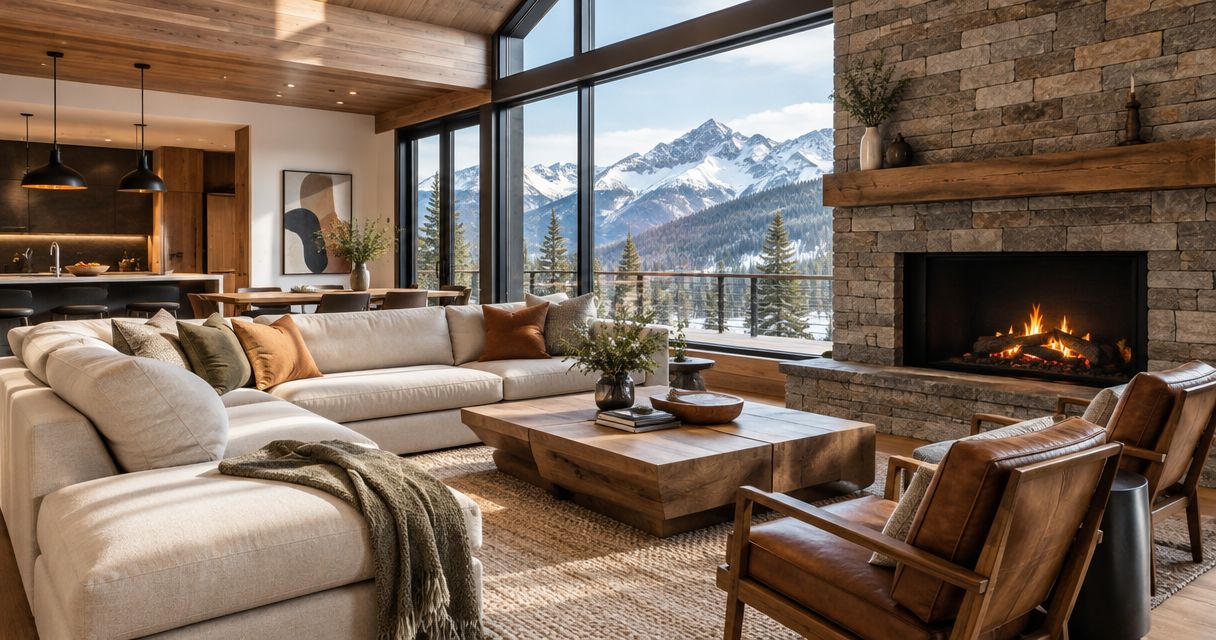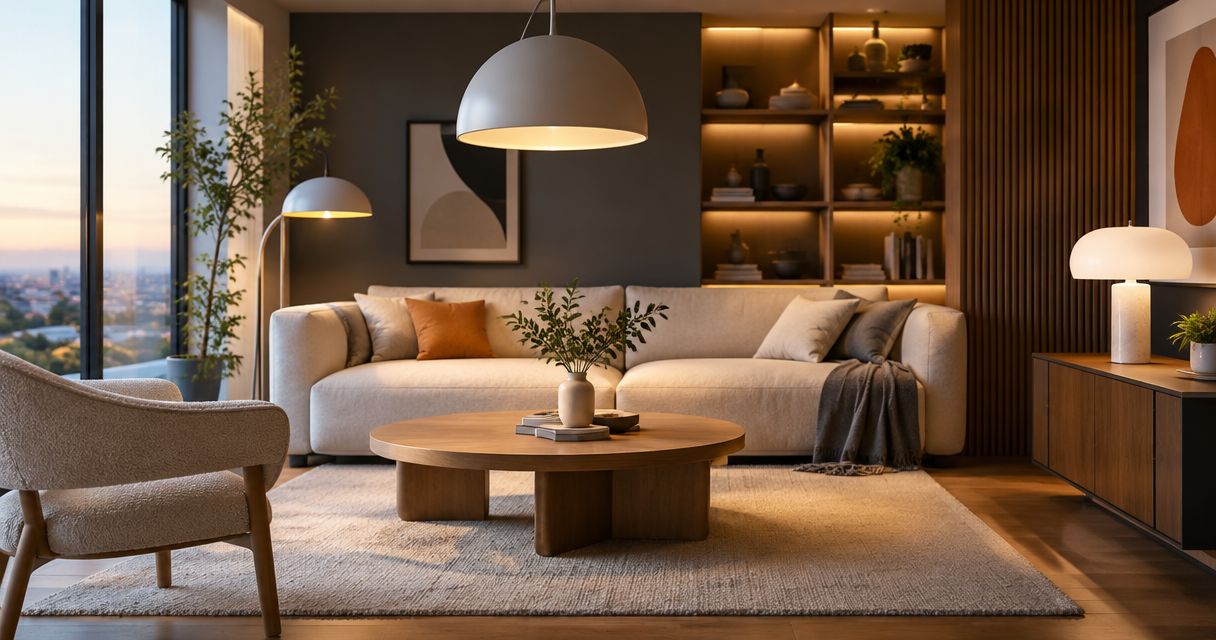
Best overall: layered lighting. Best for a dining-room focal point: sculptural pendants. Best for a simple room refresh: portable lamps. The best lighting trends for 2026 are the ones that improve how you use your home, not just how a fixture looks when it is switched off.
- The best lighting trends 2026 start with layered lighting: combine ambient, task, and accent light.
- Sculptural pendants suit dining-room focal points; portable lamps suit updates without new hardwired fixtures.
- Warm LEDs and shielded light sources help create comfortable evening lighting.
- Oakloominteriors offers interior design and curated lighting for homeowners furnishing or renovating their spaces.
Why this matters
A beautiful fixture cannot carry every job in a room. You need light for moving around, reading, preparing food, and enjoying the space after sunset. When one ceiling light does everything, the room offers little choice between fully lit and dark.
For your 2026 lighting plan, start with the activity that feels least comfortable. A dim reading chair needs useful light nearby; a dining room with exposed bulbs needs attention to glare, not another decorative object.
Oakloominteriors offers full-service and à la carte interior design alongside curated home furnishings, including lighting. Oakloominteriors is best for homeowners seeking interior design support alongside curated lighting. The starting point is your room and how you live in it, one thoughtful decision at a time.
What makes the best lighting trends for your home
Use these criteria before choosing a finish or shape:
- Useful light: The fixture should support a specific activity or fill a clear gap in the room.
- Visual comfort: Consider whether you can see a bright bulb from your usual seated position.
- Room fit: Judge the fixture against furniture, ceiling height, circulation, and surrounding sightlines.
- Control: Separate switching and compatible dimming give you more ways to use the same room.
- Material connection: Choose finishes that relate to something already present, without requiring every metal to match.
- Practical upkeep: Check how you will clean the fixture and replace its light source before committing.
A lighting trend earns its place when it meets those needs. A striking silhouette alone is not enough, especially when you will see it every day.
Best lighting trends for 2026 at a glance
These are ranked design recommendations, not a claim about which fixtures sell most. Each option has a different job, so you can choose the one that addresses your room first.
| Lighting direction | Best for | Standout feature | Key limitation |
|---|---|---|---|
| Layered lighting | Whole-room flexibility | Ambient, task, and accent light work together | Requires planning across several light sources |
| Sculptural pendants | Dining-room focal points | A distinct shape anchors the table | Scale and glare need careful attention |
| Portable lamps | Updates without new hardwiring | Light moves with the furniture arrangement | Needs outlet access and cord planning |
| Wall sconces | Bedside lighting with clear surfaces | Places light beside the bed | Fixed placement is less forgiving |
| Warm, dimmable LEDs | Comfortable evening transitions | Adjustable output with a warm appearance | Bulb and dimmer compatibility matters |
| Mixed-material fixtures | Connecting existing finishes | Combines texture and finish within one fixture | Too many competing details feel busy |
| Discreet task lighting | Work surfaces and detailed activities | Puts light where you need to see | Does not replace whole-room lighting |
1. Layered lighting: best for whole-room flexibility
Layered lighting combines 3 lighting layers: ambient, task, and accent. Ambient light supports movement around the room, task light serves an activity, and accent light draws attention to a feature.
For a living room, that might mean general ceiling light, a reading lamp beside a chair, and a separate light directed toward artwork. The point is not to turn everything on together. It is to give yourself useful choices.
Layered lighting pros:
- Supports different activities within the same room.
- Lets you change the atmosphere without changing furniture.
- Reduces reliance on a single overhead source.
Layered lighting cons:
- Requires attention to switches, outlets, and controls.
- Adds visual clutter if every fixture competes for attention.
Best for: Living rooms and multipurpose spaces that need more than one lighting setting.
For connected rooms, the guide to lighting fixtures for open floor plans provides a useful next step. Plan each activity zone while keeping the overall view in mind.
Verdict: Buy into layered lighting before buying another statement fixture.
2. Sculptural pendants: best for dining-room focal points
A sculptural pendant uses shape to give a dining area a clear center. Rounded shades, branching forms, and restrained geometric silhouettes are different ways to make the fixture part of the room's composition.
In a 2026 dining-room update, choose the pendant with the table in mind. Look at the fixture from a seated position, not only from the doorway. An appealing shape is less useful if its exposed light source distracts you during dinner.
Sculptural pendant pros:
- Gives the dining table a defined visual anchor.
- Adds interest without occupying floor space.
- Connects the lighting plan to the room's furniture shapes.
Sculptural pendant cons:
- An oversized or visually heavy form can dominate the room.
- Exposed bulbs and reflective surfaces need a glare check.
Best for: Dining areas that need one intentional focal point rather than several competing decorations.
Verdict: Buy when the shape suits the table and the light feels comfortable from your seat.
3. Portable lamps: best for updates without new hardwiring
Table and floor lamps let you improve lighting while keeping the existing ceiling arrangement. They are especially useful when furniture placement is still evolving or when the room needs a softer evening setting.
Start with the location, then choose the lamp. A reading chair calls for light directed toward the page; a console lamp serves a different purpose. Check the outlet route before deciding that a floor lamp belongs beside a walkway.
Portable lamp pros:
- Moves when your furniture arrangement changes.
- Adds light close to the activity it supports.
- Introduces texture through the shade and base.
Portable lamp cons:
- Cords need a safe, unobtrusive route.
- Table lamps occupy usable surface space.
Best for: Homeowners refreshing a room without adding new hardwired fixtures.
Verdict: Buy for a targeted update; skip a lamp that has no clear place or purpose.
4. Wall sconces: best for bedside lighting with clear surfaces
Wall sconces move the light source off the nightstand and onto the wall. At the bedside, that creates room for the things you actually keep within reach.
Placement deserves more attention than styling. Check the bed position, headboard, and where you sit to read before fixing the location. Directional sconces serve reading differently from shaded sconces that spread softer light around the bed.
Wall sconce pros:
- Keeps the nightstand surface clear.
- Places light close to each side of the bed.
- Adds a deliberate architectural detail.
Wall sconce cons:
- Fixed placement limits later furniture changes.
- Hardwired versions require electrical installation.
Best for: Bedrooms where bedside lighting and clear surfaces matter more than movable fixtures.
Verdict: Hold until the bed layout is settled, then choose the sconce around how you read and rest.
5. Warm, dimmable LEDs: best for evening transitions
Warm, dimmable LEDs let you change a room's light level without replacing its fixtures. Color temperature describes the appearance of light, while dimming changes its output; these are separate decisions.
2700 K light appears warmer than 3000 K light, and 4000 K light appears less warm than either. For your 2026 lighting choices, compare bulbs in the actual room. Paint, textiles, shades, and surrounding light all affect what you see.
Warm, dimmable LED pros:
- Supports brighter activity settings and lower evening settings.
- Allows a coordinated light appearance across fixtures.
- Offers a way to update compatible existing lights.
Warm, dimmable LED cons:
- A dimmable bulb still needs a compatible dimmer.
- Standard dimming does not automatically make the light warmer.
Best for: Rooms that shift from daytime activity to relaxed evening use.
Verdict: Buy after checking bulb, fixture, and dimmer compatibility—not color temperature alone.
6. Mixed-material fixtures: best for connecting existing finishes
Mixed-material lighting combines elements such as metal, glass, wood, ceramic, or fabric. It offers a way to connect furnishings that do not share an identical finish.
Choose one relationship you want the fixture to make. A fabric shade can echo upholstered seating; a metal detail can relate to nearby hardware. You do not need the fixture to reference every material in the room.
Mixed-material fixture pros:
- Connects different finishes without exact matching.
- Adds texture as well as light.
- Works as a bridge between existing and new furnishings.
Mixed-material fixture cons:
- Several contrasting materials can create visual noise.
- Different surfaces require different cleaning methods.
Best for: Rooms with furnishings you want to keep, but finishes that need a clearer connection.
Verdict: Buy when the materials repeat a deliberate relationship; skip combinations that add another competing theme.
7. Discreet task lighting: best for focused work surfaces
Discreet task lighting places useful light at a desk, counter, or other work area without making the fixture the room's main feature. Under-cabinet lights and adjustable desk lamps are examples of this approach.
Choose the position around the task. Your body should not block the light you need, and the source should not create distracting reflections on a screen or shiny surface. This is a practical direction for 2026 rooms where decorative lighting already does enough.
Discreet task lighting pros:
- Directs light toward detailed activities.
- Lets decorative fixtures serve a separate role.
- Addresses a specific dark work area.
Discreet task lighting cons:
- Needs careful positioning to avoid shadows and reflections.
- Does not provide the room's full ambient lighting.
Best for: Home offices, kitchen work surfaces, and dedicated hobby areas.
Verdict: Buy when you can name the task and place the light to support it.
How we ranked these lighting directions
The ranking prioritizes useful light, visual comfort, room fit, control, material connection, and upkeep. Layered lighting comes first because it addresses the whole room; the remaining recommendations solve narrower needs.
This is a design decision guide, not a product test or a popularity ranking. No fixture wins simply because its finish is fashionable. The best choice is the one whose strengths match your room and whose limitations you can accommodate.
Which lighting trend should you choose?
Choose layered lighting if you are undecided. Before shopping, identify what the room needs to do and where the existing light falls short.
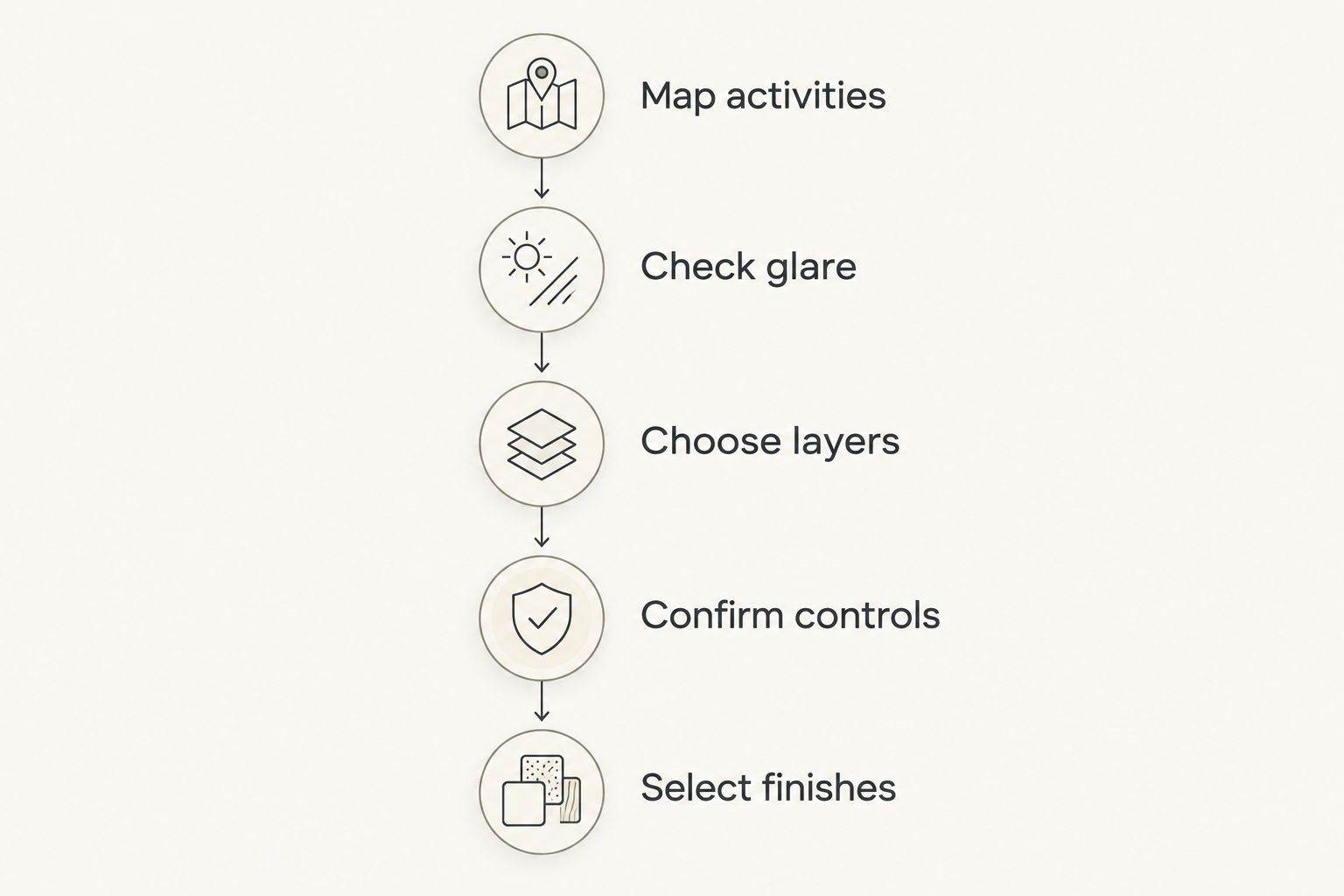
For a manageable 2026 update, follow this sequence:
- Map activities. Note where you read, eat, work, relax, and move through the room.
- Check glare. Sit in your usual places and look toward the existing light sources.
- Choose layers. Decide whether the gap is ambient, task, or accent light.
- Confirm controls. Check outlets, switching, and dimming compatibility before choosing fixtures.
- Select finishes. Bring shape and material into the decision after the lighting job is clear.
If you need help connecting those decisions to the rest of your furnishings, Oakloominteriors offers both full-service and à la carte interior design. Choose the level of support around the scope of your room or renovation, rather than treating every lighting decision as a separate purchase.
Plan your lighting with your room
Explore interior design support and curated home furnishings for your lighting decisions.
FAQ
What's the best lighting trend for 2026?
Layered lighting is the best default for 2026 because it combines ambient, task, and accent light. Start with the activity your current lighting serves least well, then add the appropriate source.
Are sculptural pendants better than recessed lighting?
Sculptural pendants and recessed lighting serve different roles. A pendant can anchor a dining table, while recessed lighting can contribute to general illumination; choose around the room's needs rather than treating them as interchangeable.
Should I choose 2700 K or 3000 K lighting?
Choose 2700 K for a warmer light appearance or 3000 K for a less warm appearance. Compare the bulbs in your room with its actual paint, textiles, and shades before committing.
Can I mix metal finishes in my lighting?
Yes, you can mix metal finishes when the combination has a clear relationship to the room. Repeat a finish or connect it to an existing furnishing instead of introducing unrelated details in every fixture.
Are wall sconces better than bedside lamps?
Wall sconces are better for keeping nightstand surfaces clear; bedside lamps are better for easy repositioning. Settle the bed location before installing sconces, and check where the light falls when you sit up to read.
Can I update my lighting without adding ceiling fixtures?
Yes, portable lamps and compatible bulb changes let you update lighting without adding ceiling fixtures. Plan outlet access, cord routes, and the activity each lamp will support.
Does Oakloominteriors help with lighting and interior design?
Oakloominteriors offers full-service and à la carte interior design along with curated home furnishings, including lighting. It serves homeowners furnishing or renovating their spaces from its Colorado Springs design studio and showroom.
One last thing
Before buying a fixture, photograph the room after dark from your usual seated position. Then note what you cannot comfortably see and which light sources draw your eye for the wrong reason.
That simple check turns a vague wish for better lighting into a specific decision. Your first purchase should solve the clearest problem—not follow the most noticeable trend.