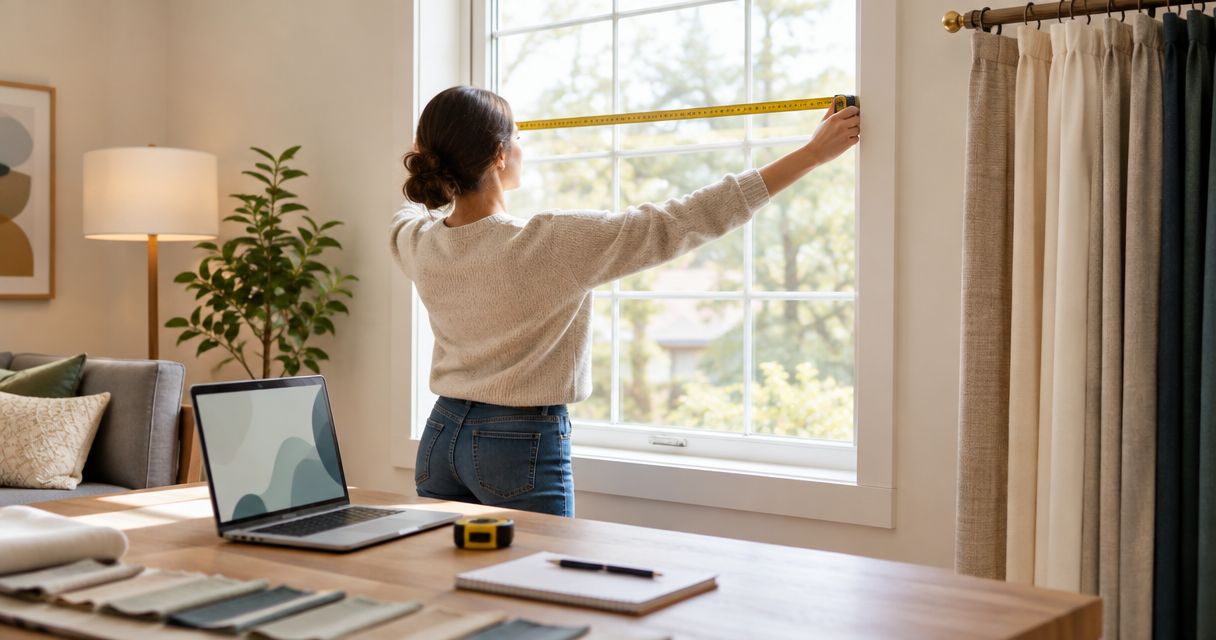
Instead of separately chasing closing updates, room measurements, and furniture deliveries, use a home closing date to move-in ready workflow that connects confirmed possession to room preparation, installation, and your first night at home. This 2026 guide shows you what to decide before closing, what must wait for access, and how to keep a delayed task from disrupting the entire move.
- Use this home closing date to move-in ready workflow to connect possession, room preparation, furniture placement, and final checks.
- Oakloominteriors offers interior design services for Colorado Springs homeowners furnishing or renovating their homes.
- Confirm possession before committing to deliveries that require access to the property.
- Make essential rooms usable first; schedule decorative finishing separately when necessary.
Why this matters
Closing, possession, and move-in readiness are different milestones. Signing documents does not tell you whether a bedroom is ready for furniture, whether a delivery fits through the stairwell, or whether planned work is finished.
Oakloominteriors is a fit for Colorado Springs homeowners seeking interior design services and curated furnishings for a move or renovation. Explore Oakloominteriors when you want design support alongside your own moving arrangements; confirm the scope of that support rather than assuming it includes movers, contractors, or delivery coordination.
For your 2026 move, define readiness by what you need to do at home: sleep, wash, prepare food, and move safely through the rooms. A fully decorated living room is a separate milestone. Keeping those definitions apart gives you a practical move-in plan without treating unfinished styling as a failed move.
Before you start
- Gather access information and project materials. Have your purchase and possession details, your real estate contact, any permitted room measurements, photographs, and an inventory of furniture you intend to keep. Obtain permission before any pre-closing visit or measurement appointment.
- Choose one shared planning document. A spreadsheet or written checklist is enough. Give the homeowner, designer, mover, and tradespeople only the information relevant to their agreed responsibilities; no particular software account is required.
- Separate the closing date from permission to enter. Confirm when you can actually take possession and authorize work. Do not treat a tentative closing date, a seller's verbal expectation, or a scheduled delivery as permission to access the home.
The non-obvious problem is sequencing purchases before verifying both access and fit. An appealing sofa does not belong on the installation schedule until you have checked its room placement, delivery route, and handling requirements.
Possession and readiness plan
Start with a simple document that distinguishes a target from a confirmed commitment. The labels below are fields you create, not buttons in a particular app.
- Add Closing date, Possession confirmed, and Target move-in at the top. Record who confirmed each detail and when. Keep unconfirmed dates clearly marked as tentative.
- Create a Room readiness section. List the bedroom, bathroom, food-preparation area, and any room you need immediately for work or caregiving. Describe the usable condition each room must reach.
- Give every task an Owner, Prerequisite, Status, and Next action. For example, furniture placement depends on finishing the work that would require moving that furniture again.
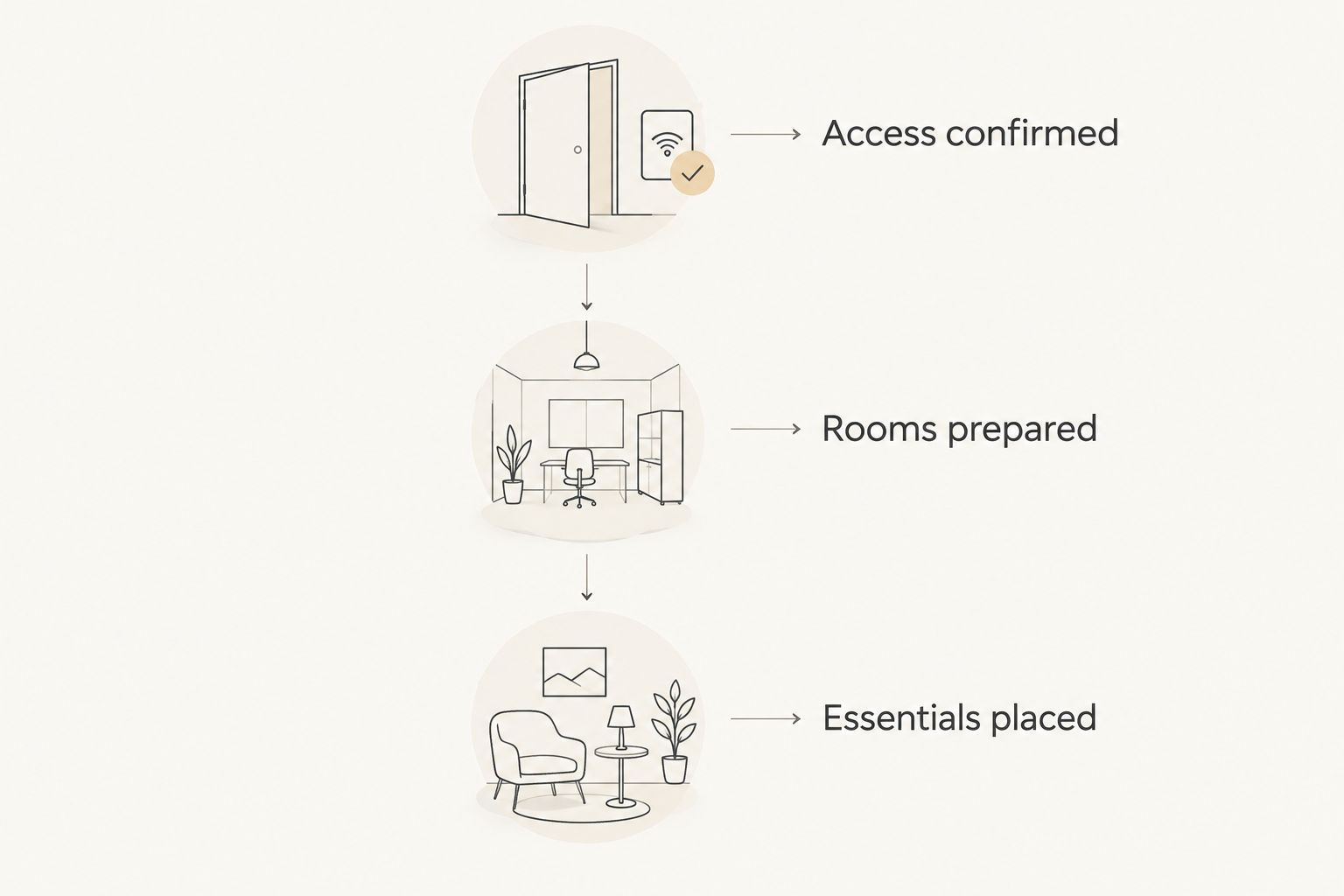
- Establish 3 checkpoints: Access confirmed, Rooms prepared, and Essentials placed. Review these before releasing the next set of appointments.
- Record a fallback for an uncertain move-in date. Decide which belongings stay packed, which appointments need reconfirmation, and who communicates changes.
Expected result: You have one shared plan showing what is confirmed, what is waiting, and who needs to act. A postponed closing changes the affected tasks rather than leaving everyone to interpret separate messages.
For the 2026 plan, include the year in appointment dates and saved document names. Keep the current version easy to identify, especially when a closing update produces a revised schedule.
Room measurements and furnishing plan
A floor plan helps you decide where furniture belongs. It does not replace checking the actual route from the entrance to that position.
- Create a Keep, Replace, or Decide later entry for each existing piece. Start with furniture that supports daily life, rather than purchasing accessories to make an incomplete room feel finished.
- Measure room boundaries, doors, windows, and fixed features when access is permitted. Record dimensions in inches and note where each measurement was taken. Include doors that swing into a proposed furniture position.
- Add a Delivery route entry for substantial pieces. Check entrance openings, turns, stairs, and the destination doorway against the item's dimensions and the delivery provider's requirements.
- Draw the proposed arrangement before approving purchases. Use the floor plan to furniture layout workflow to develop placement around the room's actual constraints.
- Record lighting and wall-treatment decisions beside the layout. Confirm electrical work with the appropriate qualified professional before assuming a fixture can go in a particular location.
Expected result: Every essential piece has an intended position, and unresolved fit questions remain visible before you commit to an installation appointment.
If you cannot measure before closing, mark the layout Pending measurement. You can still identify your preferred materials, existing furniture, and priorities, but keep measurement-dependent decisions open.
Oakloominteriors offers furniture, lighting, and wallpaper alongside interior design services. Ask which decisions belong within your agreed design scope and which measurements or approvals remain your responsibility.
Preparation and installation sequence
Organize work around dependencies, not around whichever appointment is easiest to book. Furniture should not block work that still needs access to walls, floors, or electrical connections.
- Create a Preparation required list for each room. Include only work the room actually needs, such as agreed repairs, decorating, or cleaning. Identify any task that requires a qualified trade.
- Ask each provider what must happen before the next activity begins. Record their instructions for surface protection, drying or curing, ventilation, and room access rather than applying a universal waiting period.
- Confirm the handoff between trades, cleaning, and furniture placement. Keep a room off the delivery schedule while work or site conditions make it unsuitable for installation.
- Give the mover or delivery provider the relevant access details. Share the confirmed possession arrangement, entry route, contact person, and any property rules that apply to their visit.
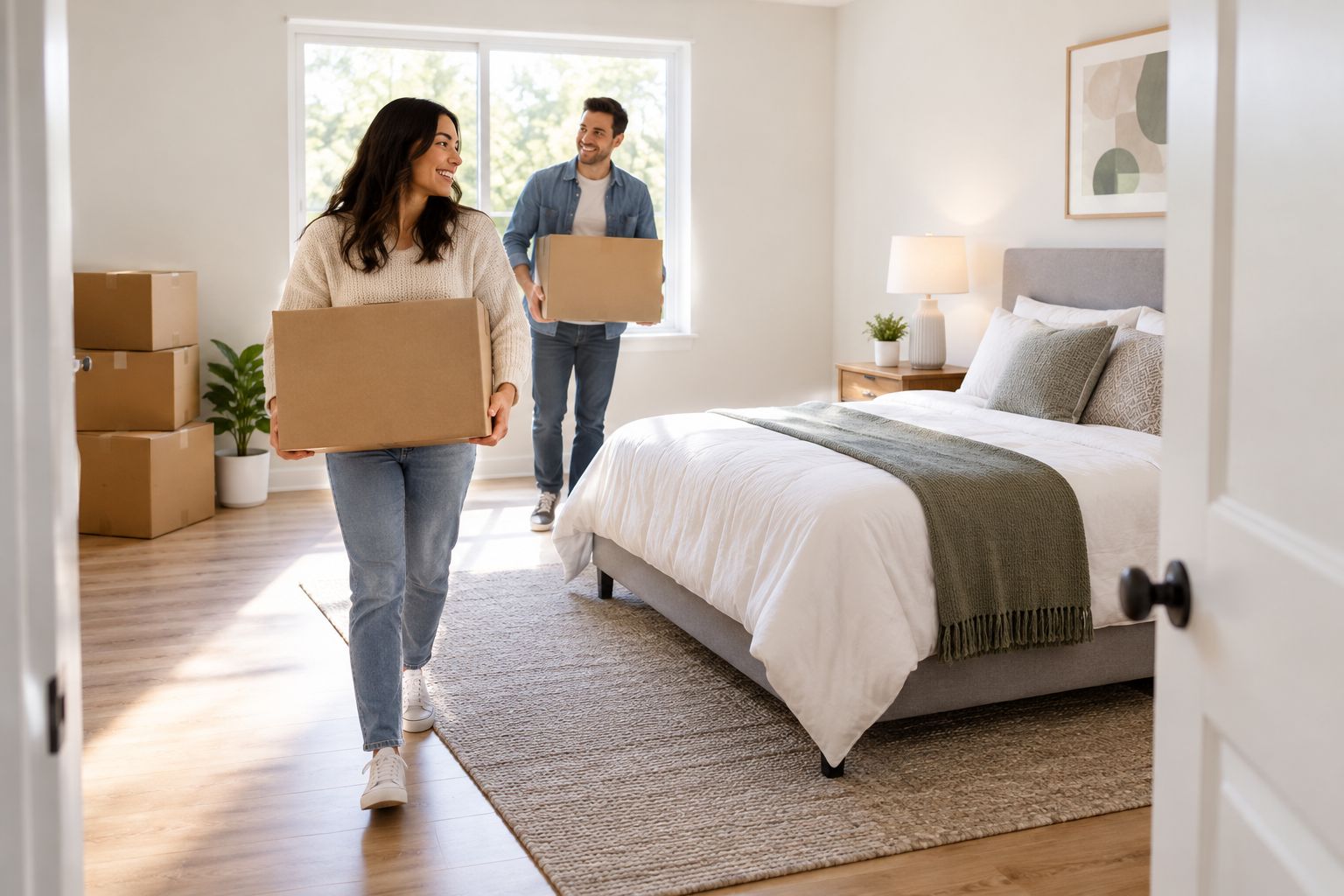
- Place essential furniture first, then unpack the items needed to use it. Check the bedroom, bathroom, food-preparation area, and main walking routes before opening decorative boxes.
- Add incomplete or damaged items to an Exceptions list. Photograph the issue and contact the responsible provider according to the applicable instructions or policy; do not assume every provider follows the same process.
Expected result: Prepared rooms receive the right pieces without avoidable conflicts between work, deliveries, and unpacking. Remaining problems have a named owner instead of becoming an unexplained pile of boxes.
For a 2026 move with renovation work, keep the move-in decision separate from the decorating schedule. Refer questions about safe occupancy, permits, or incomplete building work to the relevant local authority and qualified professionals.
Final readiness check
A room can look finished while still being awkward to use. Walk through the home as though you have just arrived with your overnight belongings, not as though you are inspecting a photograph.
- Open the doors and check the routes between essential rooms. Move loose packaging, trailing cords, and displaced furniture out of walking paths.
- Confirm that essential lighting works and that switches remain accessible. Refer electrical faults to a qualified professional rather than treating a portable lamp as a repair.
- Put bedding, towels, toiletries, necessary kitchen items, and personal essentials where you will use them. Keep medications and important documents under your own control.
- Mark each room Ready, Usable with limits, or Not ready. Explain the limit in plain language, such as a missing dining table or an unfinished wall treatment.
- Review the exceptions with the responsible people. Assign the next action before you consider the move-in handoff complete.
Expected result: You know which rooms support daily life and which still need attention. The decision to move in rests on actual conditions, not the number of boxes delivered.
When the closing date changes
Use a second version of the same workflow whenever closing or possession changes. Do not create a separate plan that competes with the original.
- Update Closing date and Possession confirmed first. Preserve the previous arrangement in your notes so you can identify which appointments relied on it.
- Filter the task list by Prerequisite. Flag every appointment dependent on access, room preparation, or a preceding installation.
- Contact the affected providers directly. Confirm the revised arrangement and any applicable terms rather than assuming the calendar update reaches everyone.
- Keep decisions that remain valid, such as the furniture inventory. Recheck anything affected by changed access, storage, or room conditions.
Expected result: A changed date produces a controlled revision rather than a complete restart.
Choose the move-in approach that matches the home's condition:
| Approach | Best for | Advantage | Limitation |
|---|---|---|---|
| Essentials-first move | Homeowners with usable essential rooms and decorative work remaining | Separates daily living from finishing details | Requires clear boundaries around unfinished areas |
| Finish-before-move | Homeowners whose planned work conflicts with using essential rooms | Keeps belongings out of active work areas | Depends on completing and confirming the required work before moving |
Neither approach replaces an assessment of safe occupancy. In your 2026 schedule, treat that assessment as a prerequisite wherever the condition of the home requires it.
Troubleshooting
A delivery is scheduled before possession
Contact the provider and explain the access restriction. Confirm a revised arrangement under their actual terms; do not ask the seller, agent, or neighbor to accept responsibility without an explicit agreement.
A piece fits the room but not the stairs
Stop before delivery and share the route measurements with the provider. Ask what handling methods they permit, then revise the selection or placement if the route remains unsuitable. Do not assume disassembly is possible.
Furniture arrives while room preparation is unfinished
Separate the affected room from the rest of the plan. Confirm whether delivery can be rescheduled or whether an agreed alternative location is appropriate, without blocking exits or exposing belongings to active work.
Different people have different schedules
Name one person to maintain the shared plan. Have each responsible provider confirm their own appointment, and record the update beside the relevant task rather than relying on a forwarded conversation.
The home looks furnished but daily life is difficult
Repeat the readiness check using ordinary activities: getting into bed, reaching a light switch, putting away toiletries, and preparing food. Correct the placement or unpacking problem before adding decorative items.
Customize your workflow
Expand the plan by room, not by accumulating purchases. Once the essential rooms function, add the next room's layout, lighting, furnishings, and finishing details to the same document.
Choose design support around the decisions you need help making. Oakloominteriors offers full-service and à la carte interior design; confirm the deliverables and responsibilities for your project. Design assistance does not automatically mean that moving, construction, or appointment management is included.
Plan your rooms with design support
Explore interior design services and curated furnishings for your Colorado Springs home.
FAQ
When should I start planning furniture before closing on a house?
Start with your existing furniture inventory, room priorities, and any measurements you have permission to obtain. Keep access-dependent appointments and measurement-dependent selections provisional until the relevant details are confirmed.
Does closing on a house mean I can move in that day?
Your possession arrangement determines when you can enter and move belongings into the home. Confirm that arrangement with your real estate contact rather than treating the document-signing appointment as permission to move in.
What is the best home closing date to move-in ready workflow?
Connect confirmed possession to room preparation, essential furniture placement, and a final readiness check. Give each task an owner and prerequisite so a changed date identifies the appointments that need revision.
Should I buy furniture before I get the keys?
Resolve room dimensions, delivery access, and the intended layout before committing to measurement-dependent pieces. If permitted access is unavailable, keep those decisions provisional until you can verify the home.
Can an interior designer help me prepare for move-in?
An interior designer can help with furnishing and layout decisions within the agreed project scope. Oakloominteriors offers full-service and à la carte interior design plus curated home furnishings; confirm which responsibilities your engagement includes.
Should I finish decorating before moving into my new home?
Separate essential readiness from decorative completion. An essentials-first move suits a home with usable essential rooms, while work affecting those rooms needs its own completion and occupancy checks.
What should I do if my closing date gets delayed?
Update possession details first, then identify every task that depends on access. Contact affected providers to confirm revised arrangements and applicable terms rather than assuming appointments move automatically.
One last thing
Pack for the first ordinary evening, not the finished-house photograph. Keep what you need to sleep, wash, eat, and find your way around accessible without opening every box. That is a more useful final test of your 2026 move-in plan than whether every wall is decorated.