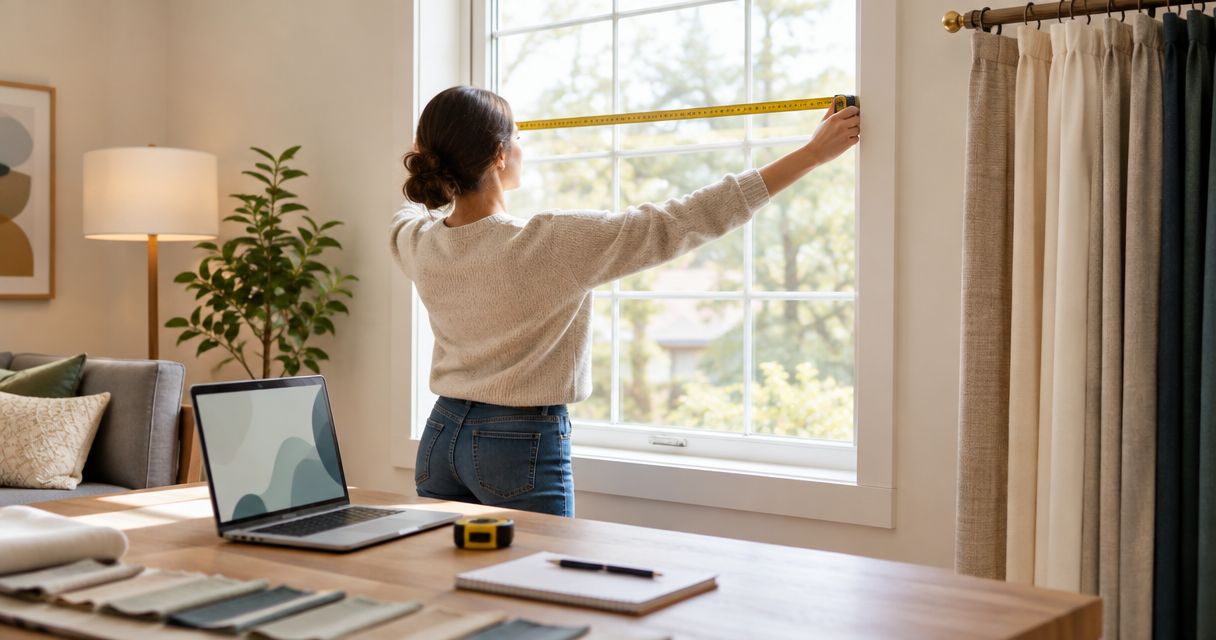
Instead of repeatedly matching paint chips to furniture photos, build a paint color consultation to furniture selection workflow around your room’s fixed finishes, physical samples, and measured layout. This 2026 guide shows you how to connect those decisions before you commit to paint or furnishings.
- Use this paint color consultation to furniture selection workflow to approve the room together, not purchase by purchase.
- Oakloominteriors suits Colorado Springs homeowners seeking interior design support and curated home furnishings.
- Confirm furniture dimensions before finalizing purchases; test paint beside actual materials in your room.
- Keep a written decision record so a changed fabric or finish triggers the right review.
Why this matters
A paint color does not sit alone. Flooring, upholstery, wood finishes, daylight, and lamps all affect how you experience it. Choosing each element separately leaves you trying to reconcile decisions after they are already difficult to change.
Approve relationships, not isolated favorites. A lovely fabric and a lovely wall color still need to work beside each other, in your light, at the scale your room requires.
Oakloominteriors is best for Colorado Springs homeowners seeking interior design help and curated home furnishings. The studio offers full-service and à la carte interior design, furniture, lighting, and wallpaper. Choose support around the decisions you need help making; confirm the scope before treating a consultation as a complete furnishing plan.
Before you start
- Gather room information. Bring measurements, photographs of each wall, and a list of furnishings you will keep. Record doorways, windows, outlets, and furniture delivery access separately.
- Bring materials and priorities. Collect available flooring, countertop, tile, upholstery, and wood samples. Choose 3 priorities, such as comfortable seating, easier circulation, and keeping an inherited cabinet.
- Resolve the lighting gotcha. Identify lamps or bulbs you plan to change before approving paint. A color checked under lighting you intend to remove has not been checked under the finished room’s conditions.
You do not need an account or a particular planning app. A notebook or shared document works. The bold labels below are suggested worksheet headings, not software buttons or promised studio deliverables.
Room brief and decision boundaries
Start your 2026 room plan with what must stay, what must change, and who approves the choices. This prevents a paint discussion from quietly becoming an unresolved renovation discussion.
- Create a Room brief. Start with 1 room and describe how you use it, who uses it, and what currently feels uncomfortable or unfinished.
- Add Keep, Replace, and Undecided lists. Include flooring, trim, rugs, artwork, window treatments, and large furniture—not just decorative pieces.
- Mark Fixed finishes. Separate surfaces you will retain from surfaces you are willing to alter. Existing stone, flooring, and cabinetry belong in the color conversation from the beginning.
- Write Decision owner and Approval needed. Identify everyone who must agree before a selection becomes final.
- Add Scope of help. Decide whether you need color advice, furniture selection support, or coordination across the room. Ask the designer which tasks and documents the agreed service includes.
Expected result: You have a brief that explains the room’s purpose and its boundaries. Someone reading it should understand why a beautiful but impractical piece would be rejected.
Choose the right level of support
These are planning routes, not named service packages. Use the distinction to explain what you need from a designer.
| Planning route | Best for | Advantage | Limitation |
|---|---|---|---|
| Focused color consultation | Homeowners retaining most furnishings | Keeps attention on paint and existing materials | Does not resolve an unsuitable furniture layout by itself |
| Coordinated room selection | Homeowners changing paint and major furnishings | Lets color, scale, and materials develop together | Requires decisions across more categories before approval |
| Phased room refresh | Homeowners keeping a substantial anchor piece | Builds around something already meaningful or useful | The retained piece constrains later choices |
For Oakloominteriors interior design support, ask how the available full-service or à la carte approach fits your brief. Do not assume furniture sourcing, ordering, or installation is included without confirming it.
Palette and sample review
The next step is not selecting a wall color from a screen. It is building a physical material relationship you can examine in the room.
- Create Material anchors. Start with the finishes that will remain and any furniture, rug, or artwork you are committed to keeping.
- Add Color direction. Describe the intended relationship: quieter contrast, warmer surroundings, or a lighter backdrop. Keep this separate from a specific paint name.
- Assemble Sample group. Place paint samples beside the relevant fabric, wood, flooring, and other materials. Follow the paint manufacturer’s sampling and drying instructions.
- Record Lighting check. Review the group in at least 2 lighting conditions: daylight and the artificial lighting you expect to use. Note changes rather than relying on memory.
- Complete Paint specification. Once approved, record the manufacturer, exact color identifier, finish, and intended surface. Keep wall, trim, ceiling, and door decisions distinct.
Expected result: You can explain why the proposed paint works with the retained materials. Approval rests on an in-room sample review, not an attractive photograph.
Your 2026 paint record should distinguish Provisional from Approved. If upholstery or a major rug remains undecided, keep the wall color provisional until those materials have been reviewed together.
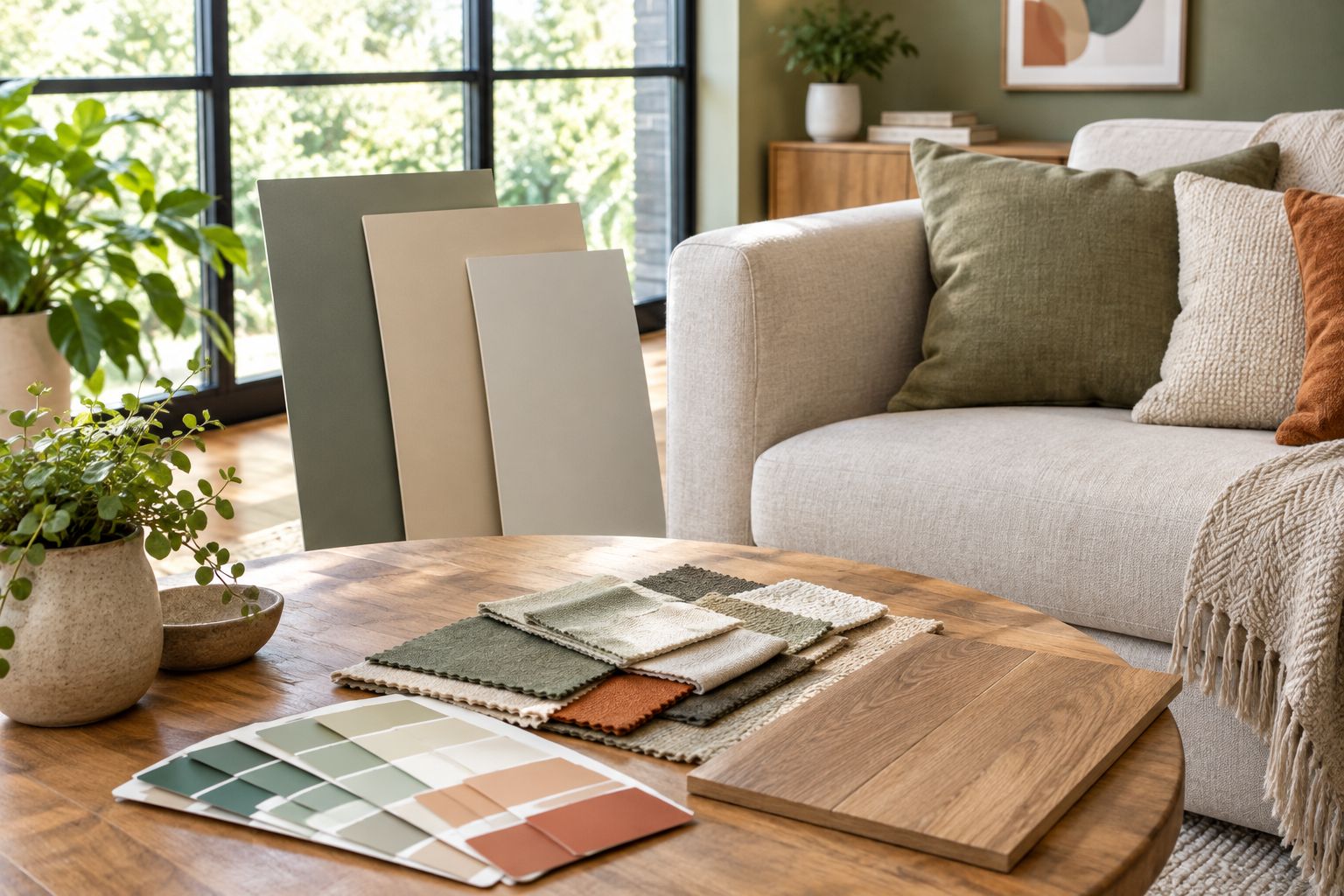
A coordinated palette does not require every surface to match. Use the samples to decide where you want continuity and where contrast feels intentional; repeating the same beige across unrelated materials is not a substitute for checking them together.
Furniture layout and selection
Now turn the palette into a room you can use. A fabric that works with the paint still needs a furniture shape, size, and placement that suit your daily life.
- Create Measured layout. Draw the room with door swings, windows, and fixed features. Use the same scale throughout, and label measurements consistently in inches or centimeters.
- Add Furniture footprint. Mark the proposed position of major pieces using their actual dimensions. Include operating space for drawers, reclining mechanisms, and doors where relevant.
- Test Daily movement. Mark footprints on the floor with suitable removable tape. Walk the routes you use while carrying laundry, serving food, or moving between seats.
- Build Selection record. For each candidate, record dimensions, material, finish, intended location, and the practical reason it belongs in the room.
- Check Material pairing. Return the furniture finish and upholstery sample to the paint group. Review the actual combination before approval.
- Confirm Delivery access. Check the route into the home and room, including turns and stairways. Ask the supplier what measurements and access information it requires.
Expected result: Every major furnishing has a tested position, a documented material relationship, and an access check. You are choosing for your room rather than for a showroom arrangement.
For more detail on translating measurements into placement, use the floor plan to furniture layout workflow.
Keep comfort separate from appearance
An appealing silhouette does not answer whether a seat supports the way you sit. Where you can assess a piece in person, consider seat depth, back support, arm position, and ease of getting up.
Record your own response rather than treating someone else’s preference as a specification. Choose furniture for the people using it, then confirm that its materials belong in the palette. Neither check replaces the other.
Approval record and handoff
A useful 2026 workflow ends with decisions someone can act on—not a collection of saved images. Keep approved information separate from inspiration so an older favorite does not become an accidental instruction.
- Create Approval record. Give each paint surface and major furnishing a status: Provisional, Approved, or Recheck.
- Add Decision reason. Explain each approval briefly: fits the measured layout, works beside existing flooring, or supports a particular daily activity.
- Record Dependencies. Identify linked decisions. A changed sofa fabric, for example, sends the paint and rug pairing back for review.
- Build Handoff notes. Record who handles each next action, which specifications apply, and which questions remain unresolved.
- Complete Final room review. Compare the approved layout, materials, and paint specification together before authorizing the next commitment.
Expected result: You have a usable record of what is approved, why it was chosen, and what needs review if something changes.
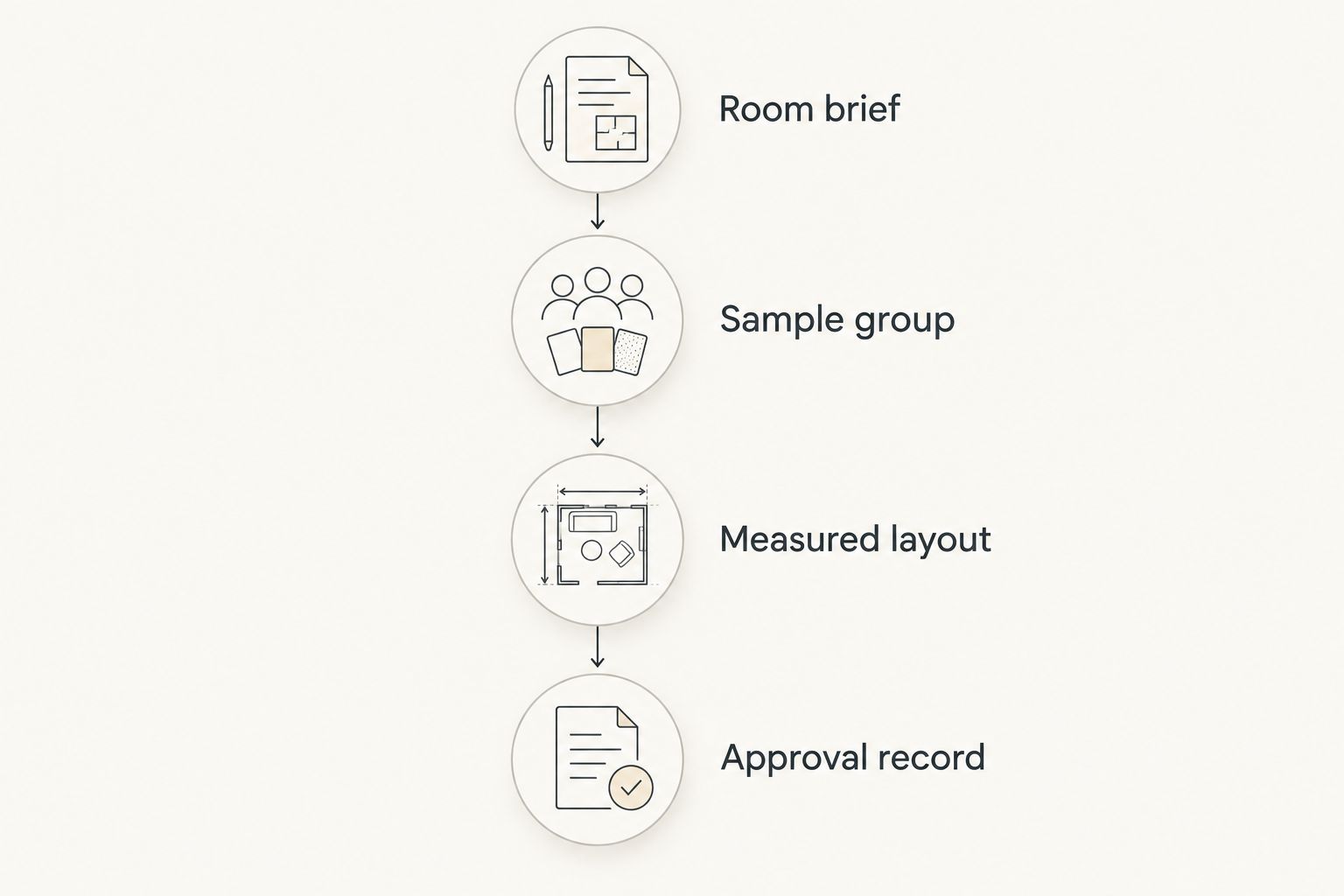
For a room completed in stages, keep one current record rather than separate conflicting lists. Mark superseded choices clearly; a saved screenshot should never override an approved specification.
When furniture comes before paint
Use a furniture-first workflow when a retained or already-selected piece sets the room’s direction. An inherited dining table, patterned rug, or upholstered sofa can become the material anchor without dictating every detail.
- Document the anchor piece’s dimensions and obtain a physical material reference where possible.
- Confirm its position in the measured layout before building the rest of the room around it.
- Review supporting finishes and fabrics beside the anchor.
- Test paint samples against that group under the intended lighting.
- Approve the combined palette and update the decision record.
The trade-off is flexibility. Keeping an anchor narrows some choices, but it also gives you a clear starting point. Do not force a preferred paint color to remain if it conflicts with the piece you have decided to keep.
Troubleshooting
The paint looks different after the sofa arrives
Compare the delivered upholstery with the sample used during approval. Check the paint identifier and lighting as well; diagnose the changed relationship before selecting a replacement color.
The furniture fits on paper but blocks movement
Recheck the drawing’s measurements and the furniture’s full operating footprint. Move the taped outline and test the actual route before approving a different size or arrangement.
The room feels flat even though everything coordinates
Review contrast, texture, and shape separately. A palette can coordinate while repeating similar values and surfaces; test a different material relationship before adding more objects.
A substitution changes the whole palette
Treat a new fabric, finish, or rug as a new selection. Return it to the sample group and mark dependent approvals Recheck rather than assuming a similar name means a similar appearance.
Household members keep reopening decisions
Return to the room brief and agreed priorities. Record whether the objection concerns comfort, appearance, maintenance, or function, then address that issue instead of restarting every selection.
Customize your workflow
Expand the process only where the room needs it. If you are replacing lighting, resolve that before the final paint check; if wallpaper becomes a focal point, include a physical sample in the material group.
Oakloominteriors offers lighting and wallpaper alongside furniture and interior design services. Ask which parts of your room plan need professional coordination and which decisions you want to manage yourself.
Plan your room together
Explore interior design support and curated furnishings for your Colorado Springs home.
FAQ
What is the paint color consultation to furniture selection workflow?
It is a connected process that moves from a room brief to material samples, a measured furniture layout, and documented approvals. Review paint and furnishings together before committing to either.
Should I choose paint or furniture first?
Start with the materials and furnishings you must keep or have already selected. Develop the remaining furniture and paint choices together, then approve paint against the actual material group.
Can I choose paint from furniture photos?
Use furniture photos to explore direction, not to approve an exact color relationship. Review physical samples in the room under daylight and the artificial lighting you intend to use.
What should I bring to a paint color consultation?
Bring room measurements, photographs, retained-material samples, and a list of furnishings you plan to keep. Explain how you use the room and identify lighting or renovation changes that remain undecided.
Does a color consultation include furniture selection?
Furniture selection belongs in the agreed service scope, not an assumption. Ask which recommendations, specifications, and follow-up tasks are included before the consultation begins.
Can Oakloominteriors help with paint and furnishings?
Oakloominteriors offers full-service and à la carte interior design plus curated furniture, lighting, and wallpaper. Confirm the paint consultation and furniture-selection scope that fits your project.
What should I do if an approved fabric changes?
Reopen the material pairing before approving the replacement. Check the new fabric beside the paint, rug, and wood finishes, then update any dependent decisions.
One last thing
Before approving your 2026 room plan, write down what would make you reconsider it. A changed fabric, altered lighting plan, or revised furniture size should trigger a specific check—not a complete restart. That small note protects the thought already invested in the room.