
A lighting design plan’s cost depends on the rooms covered, the drawings and selections included, and the coordination required; get a written, project-specific proposal before setting your design budget. Keep the planning fee separate from fixtures, electrical work, and installation, because a design proposal does not automatically include those expenses.
- How much does a lighting design plan cost? Compare written deliverables, not an undefined design fee.
- Separate lighting design, fixture purchases, and electrical installation when reviewing your budget.
- Oak + Loom Interiors offers interior design and curated lighting for homeowners furnishing or renovating their spaces.
- Choose consultation support for direction; request documented layouts when your project needs an installation handoff.
How much does a lighting design plan cost?
A useful lighting design quote names exactly what you receive and what remains your responsibility. For your 2026 project, ask the designer to distinguish advice, documented planning, and implementation support rather than treating them as interchangeable services.
The scopes below are ways to organize your request, not standardized packages. Confirm which deliverables a prospective designer actually provides.
| Scope to request | Best for | What to ask for | Benefit | Limitation |
|---|---|---|---|---|
| Lighting consultation | Homeowners who need direction before making selections | Written priorities, room-use discussion, and recommended next steps | Helps define the problem before committing to purchases | Advice alone is not an installation drawing |
| Room lighting plan | Homeowners coordinating lighting within a defined room | Fixture locations, selection details, and agreed documentation | Connects lighting decisions to furniture and daily activities | Does not automatically include electrical documentation or purchasing |
| Lighting within a wider interior design project | Homeowners furnishing or renovating connected spaces | A lighting scope coordinated with the broader room design | Lets furniture, finishes, and lighting inform each other | Requires clear boundaries between design, purchasing, and construction responsibilities |
For homeowners in Colorado Springs, Oak + Loom Interiors offers full-service and à la carte interior design alongside curated home furnishings, including lighting. Ask how lighting fits within the service you are considering rather than assuming that every design engagement includes a standalone lighting plan.
Why this matters
A beautiful fixture and a useful lighting plan solve different problems. A pendant can suit your taste yet leave the counter where you prepare dinner poorly lit; a room can also feel uncomfortable when every light comes on together.
Approve the lighting decisions before approving the shopping list. You need to know where light belongs, what activities it supports, and how you want to control it before choosing fixtures solely for their appearance.
For a 2026 renovation, make the distinction between a design recommendation and construction information explicit. Ask who will confirm electrical requirements and whether the electrician needs additional documentation before work begins.
What should a lighting design proposal include?
A proposal should describe the work in terms you can check. Words such as lighting assistance or fixture selection need a clear explanation of the deliverables behind them.
Use these 3 scope categories to organize the conversation: design decisions, documentation, and coordination. They help you compare proposals without mistaking a longer list of services for a better fit.
Design decisions: what gets resolved
Ask which rooms and activities the designer will address. Reading beside a sofa, preparing food, seeing your face at a mirror, and creating a softer evening setting are different lighting needs.
Your scope should also explain whether the designer will consider existing furniture and fixtures. Keeping a favorite lamp changes the brief; so does moving the dining table or replacing a bathroom mirror.
Documentation: what you receive
Ask whether the final handoff includes written recommendations, a marked-up layout, fixture specifications, or another agreed format. Request a description of the documents rather than assuming that the word plan guarantees a particular drawing.
A fixture specification should identify the intended item clearly enough for you and the project team to discuss it. Confirm who checks dimensions, mounting requirements, and compatibility before ordering or installation.
Coordination: who stays involved
Ask whether the engagement ends when the recommendations are delivered or includes follow-up with you and other project participants. Selection help, purchasing assistance, and answering installation questions are separate responsibilities unless the agreement combines them.
A complete handoff has a named owner for unresolved questions. You should know whom to contact if the selected fixture conflicts with an existing condition.
Which level of lighting help fits your project?
Choose the scope around the decision you need to make, not around the longest service description. More involvement is useful only when it addresses work your project actually requires.
Consultation: best for a room that needs direction
Request a consultation when you need help identifying why a room feels dim, glaring, or visually unsettled. Bring photographs, a furniture layout, and a description of when the problem occurs.
The advantage is focus: you can discuss priorities before committing to a larger design scope. The limitation is the handoff, so ask whether you will receive written recommendations and whether further planning requires a separate agreement.
Room lighting plan: best for coordinated placement
Request a documented room plan when lighting locations and furniture placement need to work together. A reading light should relate to the chair you actually use, not simply fill an empty corner.
The advantage is a shared reference for decisions. The limitation is that an interior lighting layout does not, by itself, establish who handles electrical design, site verification, or installation.
Wider interior design support: best for connected decisions
Consider lighting within a broader interior design scope when furniture, finishes, and room arrangements are changing together. A new table location, for example, changes the relationship between the dining surface and the fixture above it.
Oak + Loom Interiors is a fit for homeowners seeking interior design and curated lighting together. Its full-service and à la carte offerings give you different starting points, but you still need to confirm the lighting deliverables and responsibilities for your particular project.
Why lighting design scope varies
Lighting planning becomes more involved when more decisions depend on one another. These are the factors to describe when requesting a proposal:
- Rooms covered: Identify each room and whether adjoining spaces need to be considered together. An open living and dining area needs a shared discussion even when you think of it as separate zones.
- Existing conditions: Explain which fixtures, switches, outlets, and furniture you intend to keep. Ask who verifies those conditions before the plan is finalized.
- Drawing requirements: Distinguish general recommendations from documented fixture locations and specifications. Name the person who needs to use the information.
- Controls and compatibility: Describe whether you want independent lighting zones or dimming. Assign responsibility for checking the selected fixtures and controls together.
- Revisions and coordination: Confirm what happens after you review the first recommendations. Changes to furniture, cabinetry, or room use can reopen lighting decisions.
- Purchasing and installation support: Establish whether the designer’s role includes selection only or continues into ordering and answering project questions. Do not assume one includes the other.
These factors explain differences in scope, not automatic fee increases. Ask each prospective designer to connect their proposed work to your actual needs.
How do you request a useful lighting design quote?
Send the same brief to each designer you approach. Comparing different briefs produces different proposals, even when the rooms look similar.
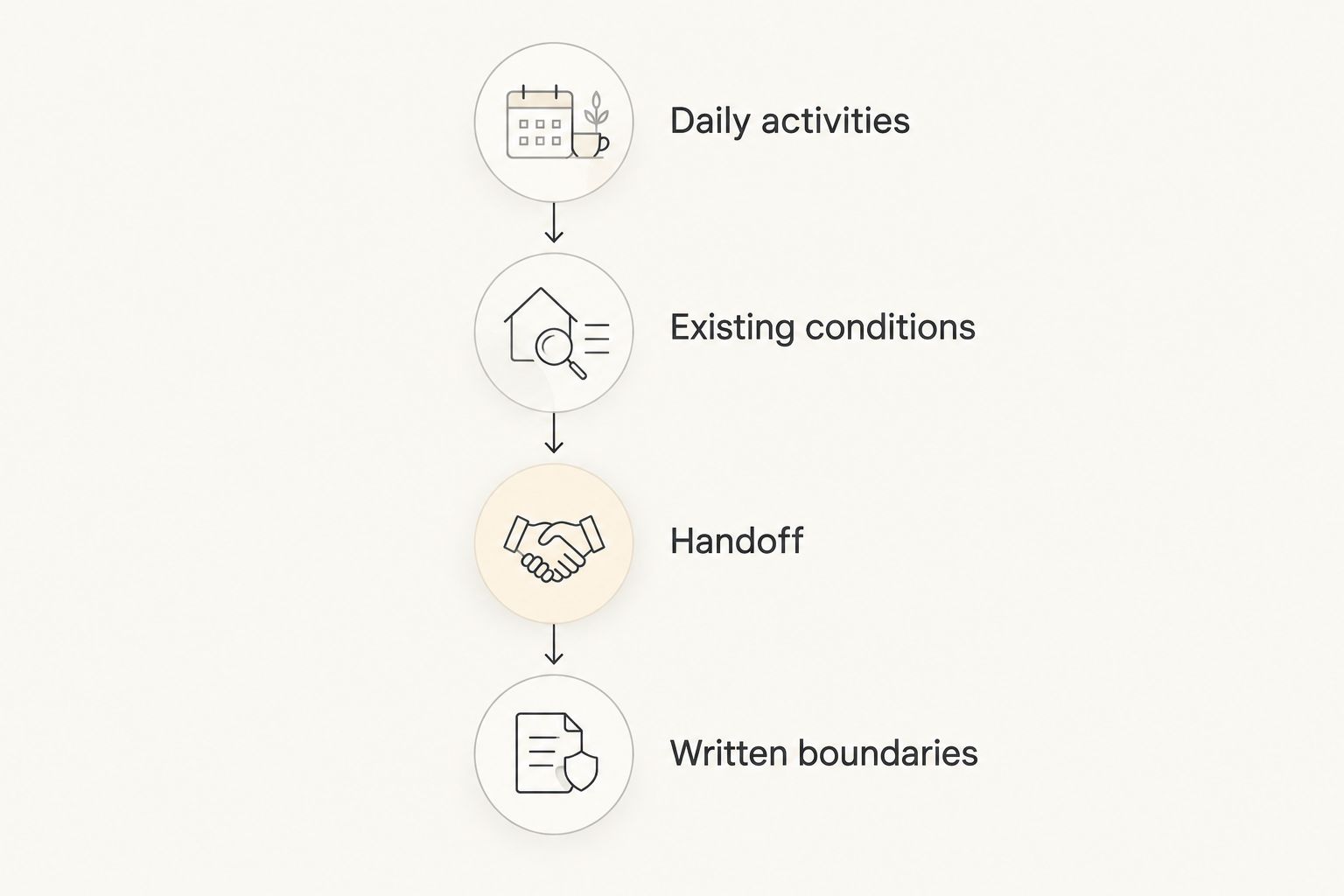
1. Define the rooms and daily activities
List the spaces you want help with and what you do in them. Be specific about the problem: reading feels uncomfortable, the kitchen work surface is shadowed, or the dining room feels too bright in the evening.
Explain what is staying and what is changing. That gives the designer a clearer starting point than a collection of fixture photographs alone.
2. Share measurements and existing conditions
Provide available room dimensions, ceiling information, photographs, and the furniture arrangement. Identify anything that still needs on-site confirmation rather than treating an estimate as a verified measurement.
The room measurements to lighting plan workflow is a useful next read when you are organizing that preparation. Keep your lighting brief tied to the room you have, not only the room in an inspiration image.
3. Name the handoff you need
Tell the designer whether you need decision-making guidance, fixture selections, or documents to discuss with an installer. Ask what information the electrician will need and who is responsible for supplying it.
4. Request written boundaries
Ask the proposal to state inclusions, exclusions, revision arrangements, and responsibilities. For your 2026 planning file, keep the approved scope alongside the latest layout so everyone is referring to the same decisions.
Once you have organized that brief, ask Oak + Loom Interiors which interior design service suits the work you want help with. Keep the conversation centered on your room, your priorities, and the decisions you want to hand over.
Discuss your lighting design needs
Share your rooms, priorities, and renovation plans to discuss an appropriate design scope.
Does a lighting design plan include the fixtures?
Treat the design plan and fixture purchases as separate scopes unless the written agreement explicitly combines them. Selecting a pendant is a design task; ordering, receiving, and installing it involve additional responsibilities.
Ask who approves substitutions if a selected item changes. A replacement should be reviewed for its intended location and function, not accepted solely because it looks similar.
Do I need a lighting plan for just one room?
Start with 1 room when that is the full extent of the problem you want to solve. Define the activities, furniture arrangement, and lighting concerns within that room before adding unrelated spaces to the brief.
An adjoining area still belongs in the discussion if you see or use the spaces together. Keep the scope focused without ignoring those connections.
Should I hire the designer before speaking with an electrician?
Speak with both roles early when your project involves changes to electrical work. Ask the designer about the room’s lighting intent and ask the electrician about installation requirements and existing conditions.
Agree on who answers which questions before approving the plan. Your 2026 project brief should distinguish design decisions from the electrical work needed to carry them out.
FAQ
How much does a lighting design plan cost in 2026?
A lighting design plan requires a project-specific quote based on the rooms, deliverables, and coordination involved. Compare written scopes and keep the design fee separate from fixtures and installation.
Is a lighting consultation the same as a lighting plan?
A lighting consultation is not automatically a documented lighting plan. Ask whether the engagement includes written recommendations, fixture locations, specifications, or follow-up support.
Can I hire someone to help with lighting in just one room?
You can request a scope focused on one room and ask whether the designer accepts that type of engagement. Include adjoining spaces in the discussion when their lighting or layout affects the room.
Does a lighting plan include electrical installation?
Do not assume a lighting plan includes electrical installation. The agreement should identify who handles electrical requirements, site verification, and installation.
What should I send before asking for a lighting design quote?
Send room photographs, available measurements, a furniture layout, and a description of the activities the lighting needs to support. Identify what you want to keep and what you plan to change.
Can I keep my existing lamps and ceiling fixtures?
Ask the designer to include the fixtures you want to keep in the project brief. Their location, condition, and suitability need to be considered alongside any proposed additions.
Is fixture selection enough for a renovation?
Fixture selection alone does not resolve every renovation lighting decision. Confirm placement, controls, installation requirements, and the documentation needed by the people carrying out the work.
One last thing
Before you approve a plan, describe an ordinary evening in the room: where you sit, what you read, which surfaces you use, and which lights you want on. If the plan cannot explain that evening, ask for clarification before choosing another fixture.
Keep that description in your 2026 project notes. It gives you a practical way to review recommendations without getting lost in finishes and shapes—one room, one piece, one thoughtful decision at a time.